516-621-0096

631-271-6679

Cultured Stone Long Island, NY

The Stone Look You Want Without the Weight
You’re looking at exterior upgrades that actually last through Long Island winters and coastal weather. Cultured stone gives you authentic texture and curb appeal at a fraction of what natural stone costs—less weight, faster installation, and the expert guidance you need to get it right the first time.
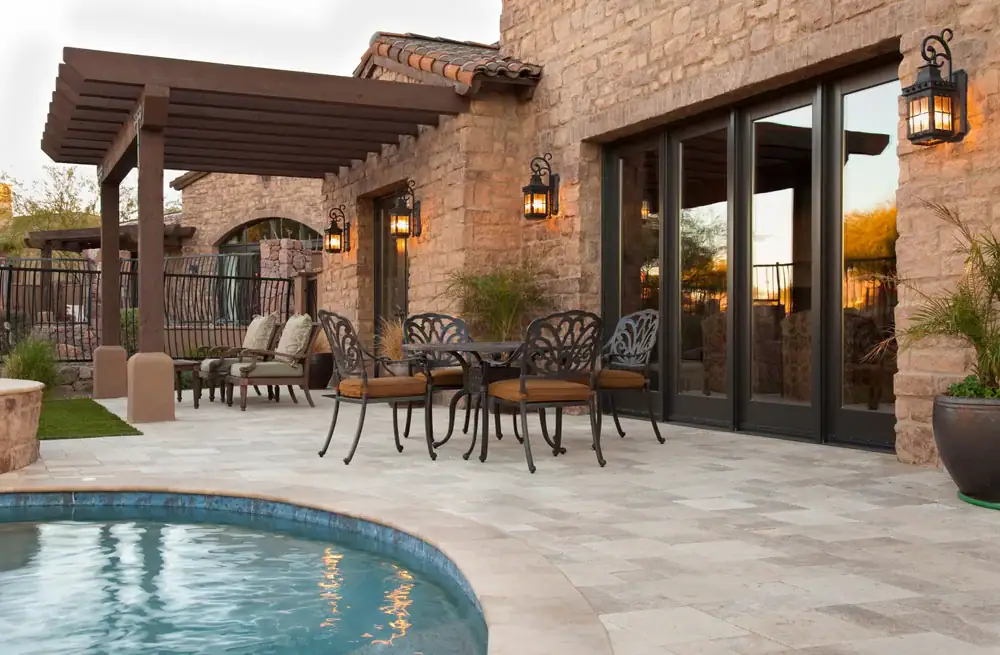
A stone patio features a round metal table with four chairs, a pergola with outdoor seating, potted plants, wall lanterns, and large glass doors, next to a curved swimming pool.

Real Stone Veneer

Panel Stone

Family Owned and Local

Serving Long Island and the Boroughs means working with people who know this market, this climate, and what actually holds up here year after year.

Materials Ready When Needed

Diverse in-stock inventory means your project doesn't stall waiting for backorders. Get what you need when you need it, without the delays that derail timelines.

Trusted Brand Partnerships

Materials sourced from reputable manufacturers ensure quality that lasts, not products that fade or fail after a few seasons facing coastal weather.

Expert Guidance Provided

Personalized consultation helps you choose the right stone veneer, calculate quantities accurately, and avoid costly mistakes before they happen.

Several large, upright slabs of marble or ceramic tiles in various light shades, featuring natural veining and patterns, are displayed in rows.

Outdoor Living Products in Long Island, NY

What Cultured Stone Actually Is

Cultured stone—also called manufactured stone veneer or culture stone—is engineered from concrete, aggregates, and pigments, molded to replicate the look and texture of natural quarried stone. It’s not trying to fool anyone. It’s a practical solution that delivers the aesthetic you want without the structural reinforcements, extended labor costs, or $50,000 price tags that come with full natural stone installations.

For Long Island homeowners and contractors, it solves a real problem. How do you get lasting curb appeal in a climate that’s tough on exteriors? Salt air, freeze-thaw cycles, and coastal humidity don’t care how much you spent. What matters is whether your materials can handle it. Quality cultured stone does, especially when selected correctly and installed with proper moisture barriers.

The weight difference alone changes what’s possible. Natural stone can require foundation modifications. Cultured stone doesn’t. That means lower installation costs, faster project timelines, and fewer complications with permits or structural concerns.

Hear from Our Customers

Stone Veneer Benefits Long Island

What You Actually Get From This

It’s not just about looks—though that’s part of it. It’s about what happens after installation, when weather hits and years pass.

Your exterior holds up through salt air and winter freezes without the cracking or moisture damage that cheaper siding alternatives can't avoid.

You save thousands compared to natural stone while still getting the texture, depth, and visual appeal that flat vinyl simply can't deliver.

Installation happens faster because stone veneer is lighter and easier to work with, which means lower labor costs and less disruption to your property.

Maintenance stays minimal—occasional cleaning with soap and water keeps it looking fresh without repainting, restaining, or constant upkeep cycles.

Your home value increases significantly, with manufactured stone veneer consistently ranking in the top three for return on investment among all exterior upgrades.

You get access to a wide range of colors, textures, and styles that let you match your home's architecture instead of settling for limited natural stone options.

number 1 in a black circle

Share project details

Call us or get a free online quote to help us identify your project needs.

number 2 in a black circle

We'll follow up

If you requested an online quote, you can expect a callback within 24-48 hours of your request.

number 3 in a black circle

The floor is yours

Connect with an expert and share all project specifics.

number 4 in a black circle

Plan your project

Like what you hear? We'll provide next steps and expert guidance.

Close-up of a tiled surface with rectangular and square gray tiles arranged in an offset pattern. The tiles have a slightly textured, stone-like appearance with subtle color variations.

Cultured Stone vs Natural Stone

How Manufactured Stone Compares to Natural

The question comes up every time: cultured stone or natural stone veneer? Here’s the honest breakdown.

Natural stone is quarried, cut thin, and applied as veneer. It’s authentic, heavy, and expensive—typically $35 to $50 per square foot. Cultured stone is manufactured, lighter, and runs $8 to $12.50 per square foot. Both can look great when installed properly.

Natural stone offers unique variations since no two pieces are identical. Manufactured stone offers consistency and a wider color range since it’s engineered. Natural stone lasts a lifetime without fading. Cultured stone may show some color fade after 10 to 15 years in direct sun, though quality products hold up significantly better than cheaper alternatives. Weight matters more than most people realize. Natural stone often requires structural support or foundation work. Stone veneer doesn’t. That difference alone can save you $10,000 or more on a project before you even factor in material costs. For Long Island projects, both work. But cultured stone makes sense when you want the look without the structural complications, when budget matters, or when you’re covering larger areas where natural stone costs become prohibitive.

Stone Cladding Installation Process

What Proper Installation Requires

Installation quality determines whether your stone veneer lasts decades or fails within years.

Proper exterior installation requires a weather-resistant barrier, metal lath, and a scratch coat of mortar over the substrate. That scratch coat creates the rough surface the stone bonds to. Skip it, and you’re asking for adhesion problems down the road.

Flashing is critical, especially in Long Island’s climate. Water will get behind stone veneer—that’s just physics. Flashing directs it safely away from the wall structure before it causes rot or mold. Grout joints between stones aren’t just aesthetic. They bond to the scratch coat and help prevent moisture channels from forming behind the veneer. For interior applications over drywall or cement board, the process is simpler. But exteriors demand more attention to detail. Temperature during installation matters too. Mortar doesn’t bond properly below 40 degrees or in high humidity. This is why working with experienced contractors matters, and why we can connect you with qualified installers who save headaches. The material itself is only half the equation.
A set of outdoor stone steps leading to a front door shows significant damage; several tiles are cracked or missing, and debris and broken stone are scattered on the steps and walkway.
Culture Stone FAQs

Common Questions About Our Service

Cultured stone (also called manufactured stone or culture stone) is made from concrete, aggregates, and pigments molded to look like natural stone. Natural stone veneer is real quarried stone cut into thin pieces. The main differences come down to weight, cost, and longevity. Cultured stone weighs significantly less—about one pound per square foot compared to 8-12 pounds for natural stone. That lighter weight means no structural reinforcements needed and lower installation costs. Price-wise, cultured stone typically runs $8 to $12.50 per square foot while natural stone costs $35 to $50 per square foot. Natural stone lasts a lifetime without fading since the color goes all the way through. Quality cultured stone holds up well for decades, though some fading may occur after 10-15 years in direct sunlight. Both work for Long Island, NY projects when installed properly with correct moisture barriers and flashing. Your choice depends on budget, desired aesthetic, and whether structural modifications are something you want to deal with.
Yes, when you select quality products and ensure proper installation. Long Island’s salt air, freeze-thaw cycles, and coastal humidity are tough on exteriors, but cultured stone is engineered to handle these conditions. The key factors are the quality of the manufactured stone itself and the installation system behind it. Cheaper products may fade or deteriorate faster, which is why sourcing from trusted manufacturers matters. The installation system—including weather-resistant barriers, proper flashing, and correctly applied mortar with appropriate grout joints—determines whether moisture gets trapped behind the stone or drains away safely. Many Long Island homes have cultured stone that’s performed well for 15-20 years because it was done right from the start. The material resists the salt air damage that affects other siding options, and quality stone veneer withstands freeze-thaw cycles without cracking. What doesn’t hold up is rushed installation, skipped moisture barriers, or bargain materials that look good initially but fail within a few years.
Project costs vary widely based on the area you’re covering and whether you’re doing a full exterior or accent features. Material costs for cultured stone typically run $8 to $12.50 per square foot, while installation labor adds another $2 to $4 per square foot on average. A partial accent—like covering the front foundation, entryway, or lower third of your home’s facade—might cost $2,000 to $7,000 total. Full exterior coverage on an average home could run $10,000 to $35,000 depending on size and complexity. Compare that to natural stone veneer, which would cost $35,000 to $90,000 or more for similar coverage, and the value becomes clear. Additional factors affecting cost include the condition of your existing exterior, whether structural prep work is needed, accessibility of the installation area, and the specific style and brand of stone veneer you select. Corner pieces, custom colors, and premium product lines cost more than standard options. The best approach is to get accurate measurements of your project area, decide on your material preferences, and get quotes that include both materials and professional installation.
Small interior projects like a fireplace surround or accent wall are manageable for experienced DIYers who understand masonry basics. Exterior installations are a different story. The stakes are higher because improper installation leads to moisture problems, rot, and structural damage that you won’t see until significant harm has occurred. Exterior stone veneer requires proper substrate preparation, weather-resistant barriers, metal lath, scratch coat application, correct mortar mixing and application, appropriate grout joint spacing, and proper flashing installation. Temperature and humidity during installation affect how well the stone bonds. Working at heights adds safety concerns. Missing any of these steps compromises the entire installation. Professional masons who’ve worked with stone veneer know how to handle Long Island’s climate considerations, ensure proper drainage, and deliver installations that last. They also carry insurance for liability and workers’ compensation. For most homeowners, the cost of hiring qualified contractors is worth it compared to the risk of doing it wrong and facing expensive repairs or complete reinstallation later.
Start by looking at your home’s existing materials—siding color, trim, roof, and any brick or stone already present. The stone veneer should complement these elements, not compete with them. Pay attention to undertones. If your siding has warm undertones (hints of yellow, red, or brown), choose stone with similar warm tones. Cool-toned siding (grey, blue, or green undertones) pairs better with cool-toned stone. Your home’s architectural style matters too. Traditional colonial or cape homes often look best with classic ledgestone or fieldstone profiles in neutral earth tones. Contemporary homes can handle sleeker, more modern stone styles with cleaner lines. The amount of stone you’re using affects your choice as well. Larger coverage areas benefit from more subdued, timeless colors that won’t feel dated in ten years. Visit our showroom where you can see full-size samples in natural light, not just small chips. Bring photos of your home or samples of your existing materials. Ask to see the stone in different lighting conditions since appearance changes from morning to afternoon sun.
Maintenance requirements are minimal compared to most exterior materials, which is part of the appeal. For regular upkeep, occasional cleaning with mild soap or detergent and water keeps the stone looking fresh. Use a soft-bristle brush for scrubbing—never wire brushes, which can damage the surface and erode grout. A garden hose works fine for rinsing. Avoid high-pressure power washing on cultured stone as excessive pressure can damage the surface finish or force water behind the veneer. For exterior installations in Long Island, NY, inspect the grout joints periodically, especially after harsh winters. If you notice any cracks or gaps developing, address them promptly to prevent moisture infiltration. Some homeowners choose to apply a penetrating sealer after installation, which helps prevent water absorption and staining. This is optional but can extend the life of the finish, especially on exteriors facing direct weather exposure. Unlike wood siding, you’ll never paint or stain stone veneer. Unlike vinyl, it won’t warp or crack from temperature changes. The biggest maintenance factor is catching and addressing any moisture-related issues early, which comes back to having proper installation from the start.
number 1 in a black circle

Material Selection and Consultation

Visit our showroom or discuss your project to see actual samples, compare stone veneer options, and get expert guidance on what works for your application and climate.

number 2 in a black circle

Quantity Calculation and Ordering

Accurate measurements ensure you order the right amount without significant waste or shortages. Our in-stock availability means materials are ready when your project timeline demands.

number 3 in a black circle

Delivery and Installation

Materials delivered to your site, ready for professional installation. We can connect you with qualified installers familiar with proper techniques for Long Island conditions.