If you've seen the term "block paving" and wondered whether it's the same thing as the pavers in your neighbor's driveway — it is. Here's what that actually means for your home.
Share:
Summary:
You’ve probably come across the term “block paving” while browsing Pinterest, reading a contractor’s estimate, or falling down a home improvement rabbit hole at 11pm. And if you’re not entirely sure what it means — or whether it’s the same thing as the pavers you keep seeing in driveways around Nassau County — you’re not alone.
The short answer is yes, it’s the same thing. But there’s more worth knowing before you start calling contractors or walking into a supply yard. This guide covers what block paving actually is, how it performs in Long Island’s climate, what your material options look like, and how to avoid the mistakes that lead to shifting, cracking, and weeds taking over within a few years.
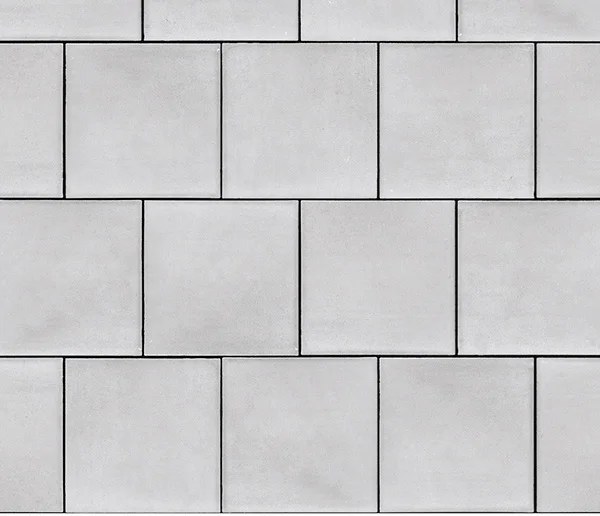
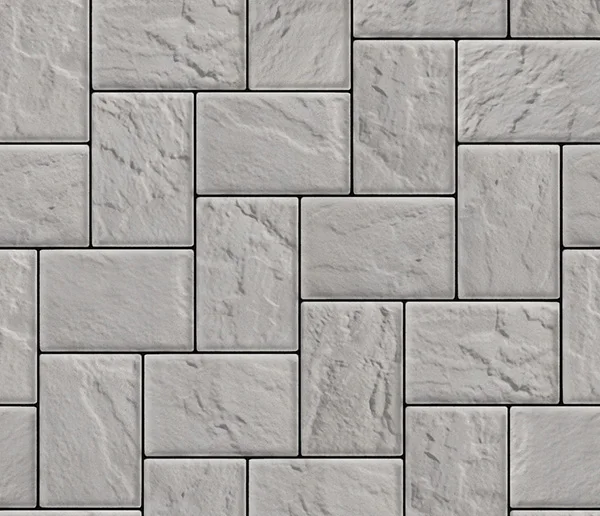
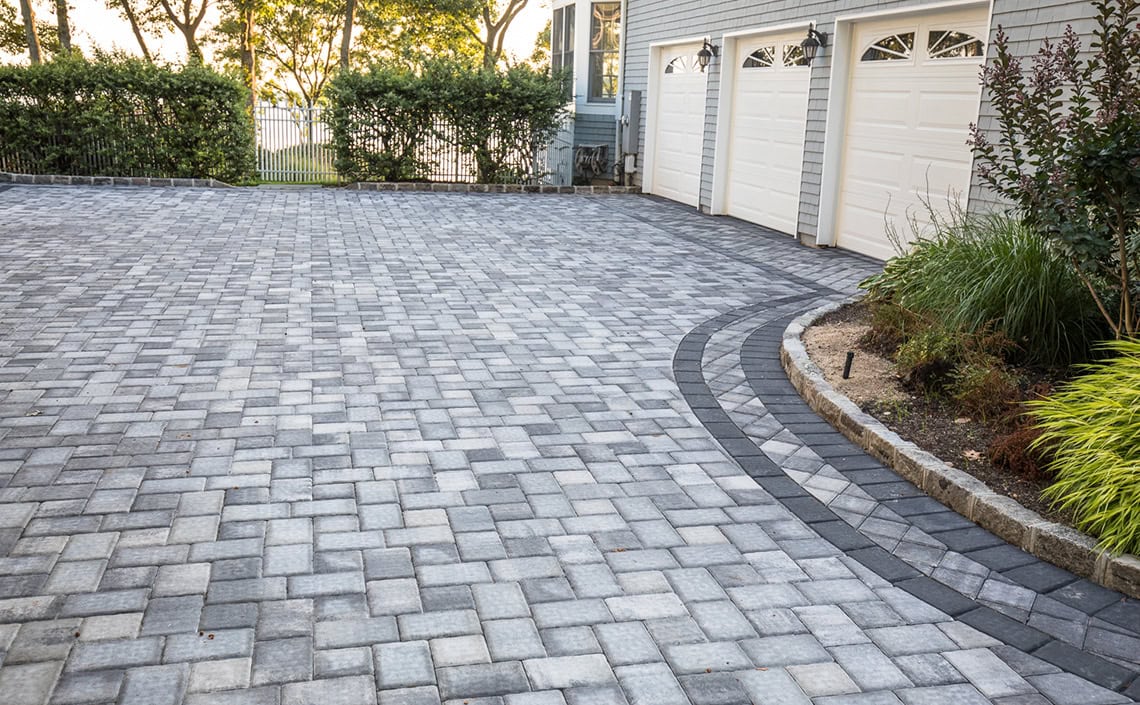
Block paving is a surface made from individual units — concrete, clay, natural stone, or porcelain — laid in a pattern over a prepared base. Each unit interlocks with the ones around it, which is why you’ll also hear the terms “interlocking concrete pavers” or “paving stones” used interchangeably. In the UK, “block paving” is the standard term. In the US, most contractors and supply yards call them pavers or paving stones. Same product, different vocabulary.
What makes this system different from poured concrete or asphalt isn’t just the look. It’s the structure. Because the surface is made of individual units rather than one rigid slab, it can flex slightly with the ground beneath it — which matters a lot in Nassau County, where the ground freezes and thaws repeatedly every winter.
Here’s the thing about Long Island winters: the freeze-thaw cycle is relentless. Temperatures drop below freezing, moisture in the ground expands, and then it thaws — and that cycle repeats dozens of times between November and March. Poured concrete is rigid. It can’t move with that expansion and contraction, which is why so many concrete driveways across Nassau County look like a road map of fault lines by the time spring arrives.
Block paving works differently. Because each unit sits on a compacted aggregate base with a layer of bedding sand beneath it, the surface can shift slightly and resettle without cracking or breaking apart. Engineers call this a “flexible pavement.” You can just call it the reason your neighbor’s paver driveway still looks good after fifteen years while a concrete slab has been patched three times.
This isn’t a minor advantage — it’s the core reason block paving has become the go-to choice for residential driveways and patios across the Northeast. Concrete pavers are also significantly stronger than poured concrete, which is a fact that surprises most homeowners when they first hear it. The manufacturing process produces a dense, high-strength unit that handles both vehicle loads and weather far better than a standard poured slab.
There’s another practical benefit worth knowing: individual pavers can be lifted and replaced without disturbing the rest of the surface. If a utility company ever needs to access a buried line under your driveway, or if one paver gets cracked or stained, you pull up the affected units and put them back when the work is done. With poured concrete, any repair means a patch that never quite matches. With block paving, a spot repair is genuinely invisible.
This is where a lot of homeowners get overwhelmed, because the options are broader than most people expect. The four main material types you’ll encounter are concrete pavers, porcelain pavers, natural stone pavers, and clay brick — and each has a different look, feel, price point, and maintenance profile.
Concrete pavers are the most common choice for driveways and walkways in Nassau County. They come in a wide range of colors, textures, and shapes — from classic rectangular units to large-format slabs that mimic the look of natural stone. Two brands dominate the Northeast market: Cambridge Pavers and Nicolock. Both are manufactured to strict quality standards, and both hold up well in freeze-thaw conditions. We carry both at our Roslyn Heights showroom, which means you can compare them side by side rather than relying on a brochure or a contractor’s preference.
Porcelain pavers have grown in popularity over the last several years, particularly for patios and outdoor living spaces. They’re extremely dense, virtually non-porous, and resistant to staining — which makes them a strong choice for areas where you want a clean, modern look with minimal upkeep. They’re heavier and more brittle than concrete pavers, so installation technique matters more, but the finished result is hard to beat aesthetically.
Natural stone — marble, travertine, bluestone — is the premium end of the market. Each piece is genuinely unique, the look is unmistakably high-end, and the lifespan is measured in decades. Travertine in particular handles heat well, which is why you see it around pools and in outdoor kitchens. The tradeoff is cost and the need for a knowledgeable installer who understands how natural stone behaves differently from manufactured pavers.
Clay brick is the traditional option — the kind of material you see in older neighborhoods and historic downtown areas. It’s extremely durable and develops a character over time that manufactured materials can’t replicate. It’s less common in new residential installations today, but it’s still a legitimate choice depending on the aesthetic you’re after.
Want live answers?
Connect with a Powerhouse Mason Supply expert for fast, friendly support.
Most of the questions we hear at our Roslyn Heights location come from homeowners who have done some research but still feel like they’re missing a piece of the puzzle. The terminology is confusing, the contractor quotes are wildly different from each other, and nobody has given them a straight answer about what to actually expect. Here are the questions we hear most often, answered plainly.
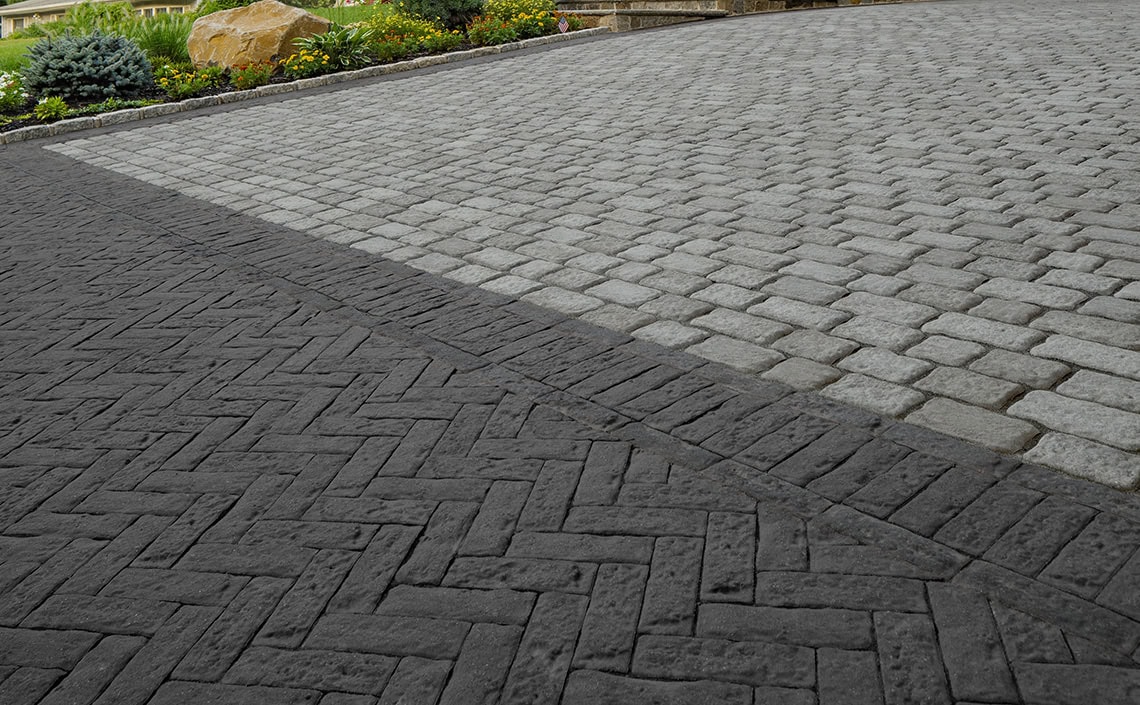
This is probably the most common concern we hear, and it’s a fair one — because if you’ve seen a poorly maintained paver driveway with weeds pushing up through every joint, it’s not a pretty sight. But weed growth between pavers isn’t an inevitable feature of the material. It’s almost always the result of a specific installation shortcut: using standard sand in the joints instead of polymeric sand.
Polymeric sand is a jointing material that hardens when it gets wet, forming a firm, dense bond between each paver. It’s not quite mortar — the pavers can still move slightly as needed — but it’s firm enough to block weed seeds from finding purchase and to keep insects from setting up shop in the gaps. Standard sand, by contrast, stays loose. Wind and rain wash it out over time, and once the joints are open, weeds move in.
A properly installed block paving surface with polymeric sand in the joints, sealed periodically, is genuinely low-maintenance. You’re not going to be out there pulling weeds every weekend. For Nassau County homeowners specifically, sealing matters more than it might in a milder climate. The freeze-thaw cycle and the occasional nor’easter mean your pavers are working harder than they would be elsewhere. Keeping the surface sealed and the joints intact protects the base from water infiltration and extends the life of the installation significantly.
This is the question that causes the most anxiety, and honestly, for good reason. Nassau County has no shortage of paving contractors, and the range in quality is enormous. Homeowners regularly get three quotes that are thousands of dollars apart with no clear explanation of why — and without knowing what a proper installation actually involves, it’s nearly impossible to evaluate what you’re being offered.
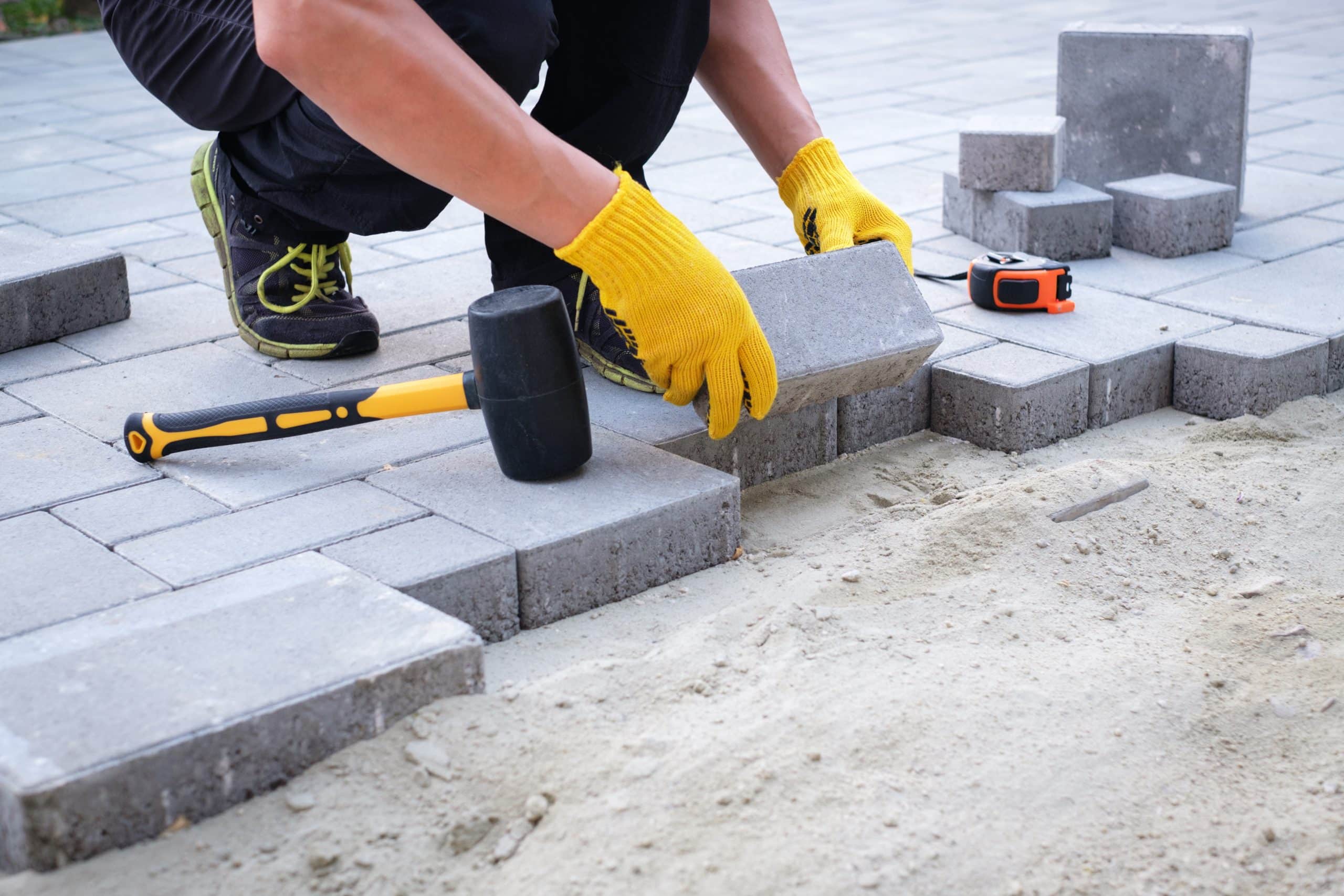
Here’s what separates a quality installation from one that will give you problems within a few years: base preparation. The visible surface — the pavers themselves — is almost secondary. What matters is what happens underneath. A proper installation starts with excavation to the right depth, typically six to eight inches for a residential driveway. That’s followed by a compacted crushed stone aggregate base, a layer of bedding sand, and then the pavers themselves, with edge restraints to hold everything in place and polymeric sand in the joints. Cut corners on any of those steps and you’ll have a surface that shifts, sinks, and develops gaps regardless of how good the pavers are.
When you’re evaluating contractors, ask them specifically about their base preparation process. A contractor who can walk you through each step — excavation depth, base material, compaction method, edge restraint type — is one who knows what they’re doing. A contractor who gives you a vague answer or pivots immediately to talking about the pavers themselves is worth a second look.
We connect homeowners with experienced local contractors through our referral network at Powerhouse Mason Supply. We’re not an installation company — we supply the materials — but we’ve been working with contractors across Nassau County and Suffolk County for over 25 years, and we know who does the job right. If you’re not sure where to start on the contractor side, that’s a conversation worth having when you come in to look at materials.
Block paving isn’t complicated once you understand what it actually is — individual units, a flexible base, and a surface that handles Long Island winters in a way that poured concrete simply can’t. The terminology can be confusing at first, but the core idea is straightforward, and the options are broader and more accessible than most homeowners expect when they start looking.
If you’re still in the early stages — figuring out what material you want, what style fits your home, what a realistic budget looks like — the best next step is seeing the materials in person. Reading about the difference between concrete pavers and porcelain pavers is useful, but it doesn’t replace holding them, comparing the textures side by side, and seeing how the colors actually look in natural light.
Our Roslyn Heights showroom is in Nassau County, open Monday through Friday and Saturday mornings. The staff there can walk you through everything from material selection to connecting you with a contractor who knows the work. Powerhouse Mason Supply has been doing this for over 25 years — come in with your questions and leave with a clear direction.
Article details:
Share:
Continue learning: