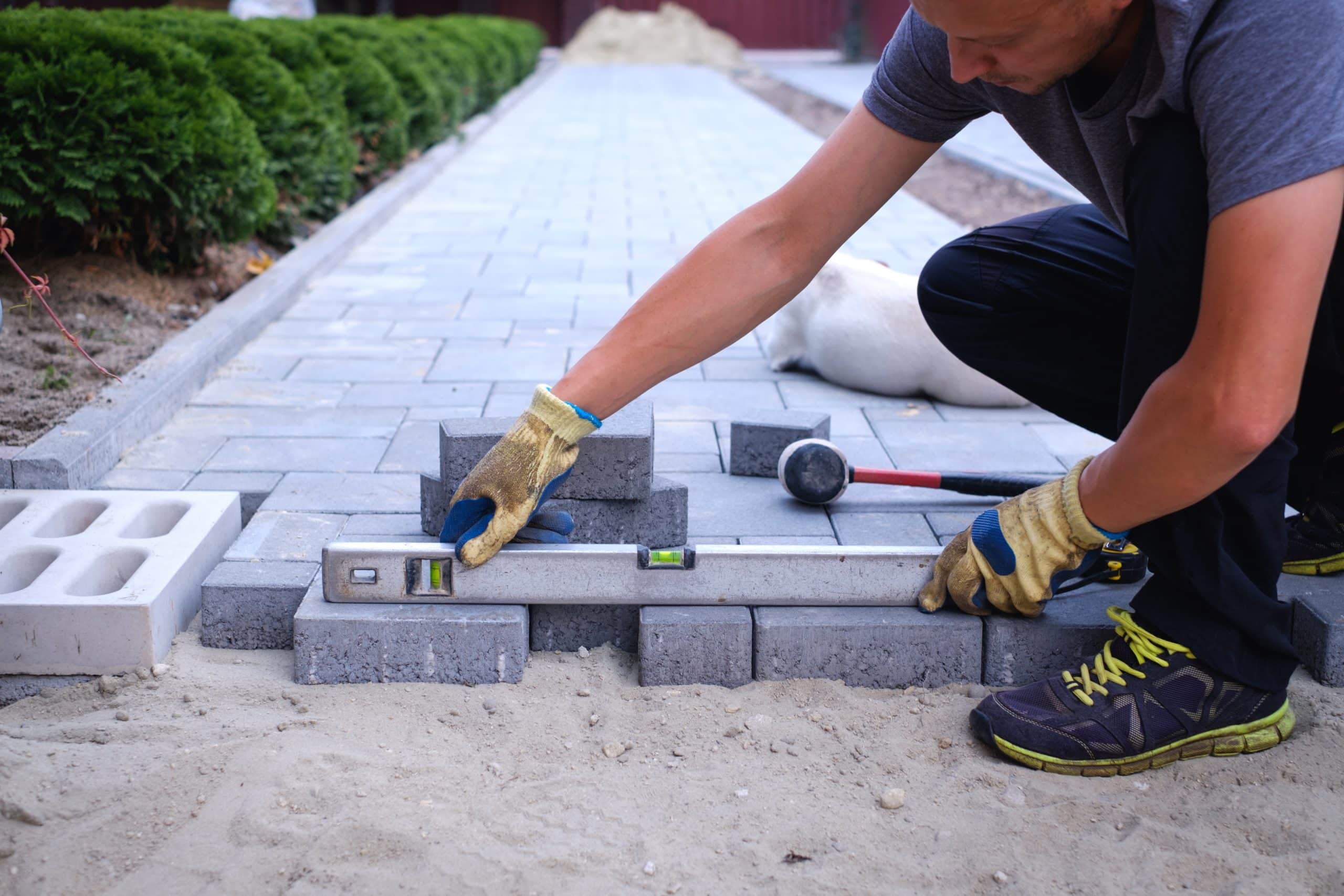
Learn how concrete pavers create stunning, durable outdoor spaces in Nassau and Suffolk Counties with expert guidance from Long Island's premier mason supply.
Share:
Summary:
Long Island’s weather throws everything at your outdoor surfaces. Snow, salt, freeze-thaw cycles, summer heat, and shifting ground conditions that make other materials fail prematurely.
Concrete pavers handle these challenges differently than poured concrete or asphalt. Instead of one large surface that cracks under pressure, you get individual units that move independently. When the ground shifts, pavers adjust without breaking. When water needs somewhere to go, it flows naturally between the joints instead of pooling on top.
This flexibility isn’t just about avoiding problems. It means your investment lasts longer and looks better year after year, even with minimal maintenance.
The difference becomes obvious during your first winter. While your neighbor’s concrete driveway develops new cracks from freeze-thaw cycles, your pavers remain stable.
Here’s what happens: Water that seeps into concrete expands when it freezes, creating pressure that splits the surface. With pavers, that same water drains through the joints before it can cause damage. The individual units can handle ground movement without transferring stress to neighboring pieces.
Salt presents another challenge. Traditional concrete absorbs road salt, leading to surface deterioration and ugly staining. Quality concrete pavers resist salt damage and maintain their appearance season after season.
Summer heat creates its own issues. Asphalt softens and can develop ruts or impressions from vehicles. Concrete pavers maintain their integrity even during heat waves, providing a stable surface that won’t deform under normal use.
The ground conditions across Nassau and Suffolk Counties vary significantly—from sandy soil near the coast to clay deposits inland. Pavers adapt to these varying conditions better than rigid surfaces, making them suitable for virtually any location on Long Island.
The difference becomes obvious during your first winter. While your neighbor’s concrete driveway develops new cracks from freeze-thaw cycles, your pavers remain stable.
Here’s what happens: Water that seeps into concrete expands when it freezes, creating pressure that splits the surface. With pavers, that same water drains through the joints before it can cause damage. The individual units can handle ground movement without transferring stress to neighboring pieces.
Salt presents another challenge. Traditional concrete absorbs road salt, leading to surface deterioration and ugly staining. Quality concrete pavers resist salt damage and maintain their appearance season after season.
Summer heat creates its own issues. Asphalt softens and can develop ruts or impressions from vehicles. Concrete pavers maintain their integrity even during heat waves, providing a stable surface that won’t deform under normal use.
The ground conditions across Nassau and Suffolk Counties vary significantly—from sandy soil near the coast to clay deposits inland. Pavers adapt to these varying conditions better than rigid surfaces, making them suitable for virtually any location on Long Island.
Want live answers?
Connect with a Powerhouse Mason Supply expert for fast, friendly support.
This year’s concrete paver trends focus on creating cohesive outdoor living spaces that blend function with style. Large-format pavers dominate the landscape, offering clean lines and minimal joint patterns that create a more sophisticated appearance.
Mixed materials are gaining popularity, with homeowners combining concrete pavers with natural stone accents, wood elements, or even strips of artificial turf. These combinations add visual interest while maintaining the practical benefits of pavers.
Color trends are shifting toward warmer, earthier tones that complement Long Island’s natural landscape, though classic grays remain popular for their versatility.
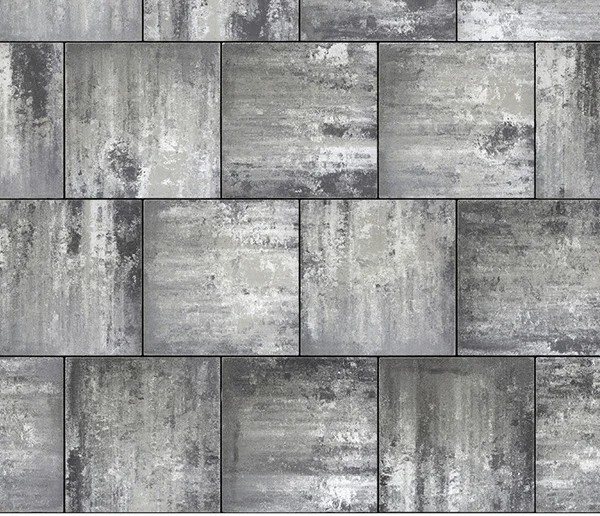
The biggest trend in concrete pavers right now is the move toward larger formats. These oversized units create cleaner sight lines and reduce the visual busyness that comes with traditional smaller pavers.
Large format pavers work particularly well for patios and pool areas where you want an open, uncluttered feel. The reduced number of joints creates a more seamless appearance while maintaining the practical benefits of individual units.
Installation of large format pavers requires more precision and often specialized equipment. The units are heavier and more challenging to handle, but the results justify the extra effort. Professional installation becomes even more important with these larger pieces to ensure proper alignment and stability.
These pavers complement modern architectural styles while working equally well with traditional homes. The key is selecting the right color and texture to match your home’s character.
For driveways, large format pavers must meet specific thickness requirements to handle vehicle loads. Not all large format options are suitable for vehicular traffic, so proper selection is crucial for driveway applications.
The trend toward larger formats reflects homeowners’ desire for outdoor spaces that feel more like interior rooms. These pavers help create that seamless indoor-outdoor connection that defines contemporary outdoor living.
Color selection for concrete pavers has expanded significantly beyond basic gray. Warm browns, tans, and sandstone tones are increasingly popular, especially for homeowners who want their hardscape to blend naturally with landscaping.
Multi-color blends within a single paver selection add depth and visual interest without overwhelming the design. These blends typically combine two or three complementary colors that work together to create a more natural, varied appearance.
Texture plays an equally important role in modern paver design. Smooth surfaces offer a contemporary look, while textured finishes provide better slip resistance and hide wear patterns more effectively. Many homeowners are combining different textures within the same project for added visual appeal.
The newest finishing techniques create surfaces that mimic natural materials like weathered limestone or aged cobblestone. These advanced textures provide the appearance of expensive natural stone at a fraction of the cost.
Color and texture selection should consider your home’s architecture, existing landscaping, and intended use. Pool areas benefit from lighter colors that stay cooler underfoot, while driveways might use darker tones that hide tire marks and oil stains.
Professional guidance becomes valuable when navigating the numerous options available. What looks good in a small sample might not work for a large installation, and certain combinations photograph differently than they appear in person.
Concrete pavers offer Long Island homeowners a proven solution for creating beautiful, durable outdoor spaces that handle our challenging climate conditions. From superior drainage and weather resistance to endless design possibilities and easy maintenance, pavers deliver benefits that other materials simply can’t match.
The key to success lies in proper planning, quality materials, and professional installation. Whether you’re updating a small patio or designing an elaborate outdoor living area, the right approach ensures results that enhance your property value and provide years of enjoyment.
For expert guidance on selecting the perfect concrete pavers for your Nassau or Suffolk County project, we at Powerhouse Mason Supply offer the knowledge and materials you need to transform your outdoor vision into reality.
Article details:
Share:
Continue learning: