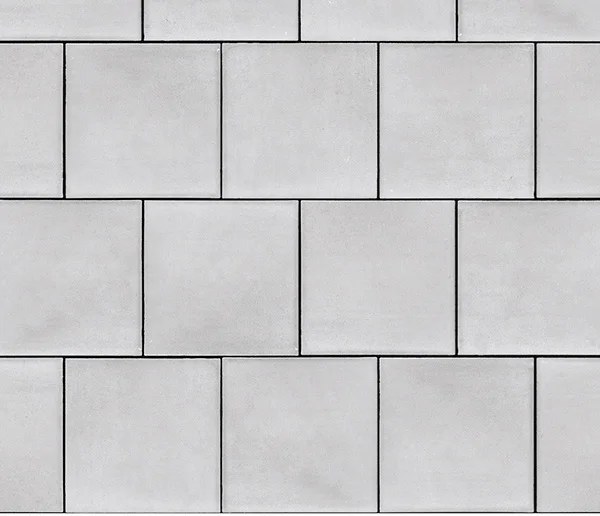
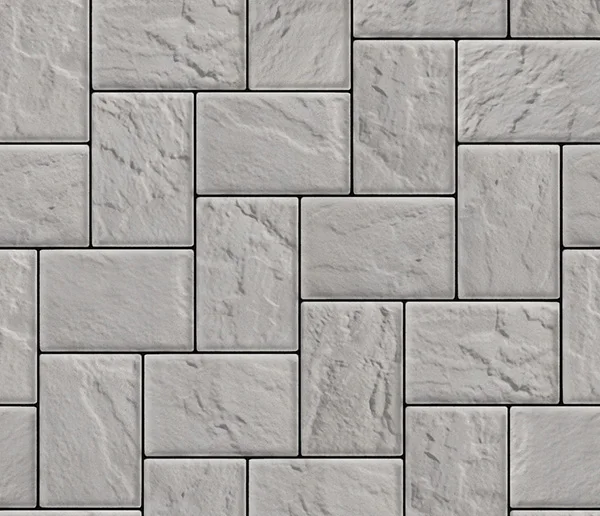
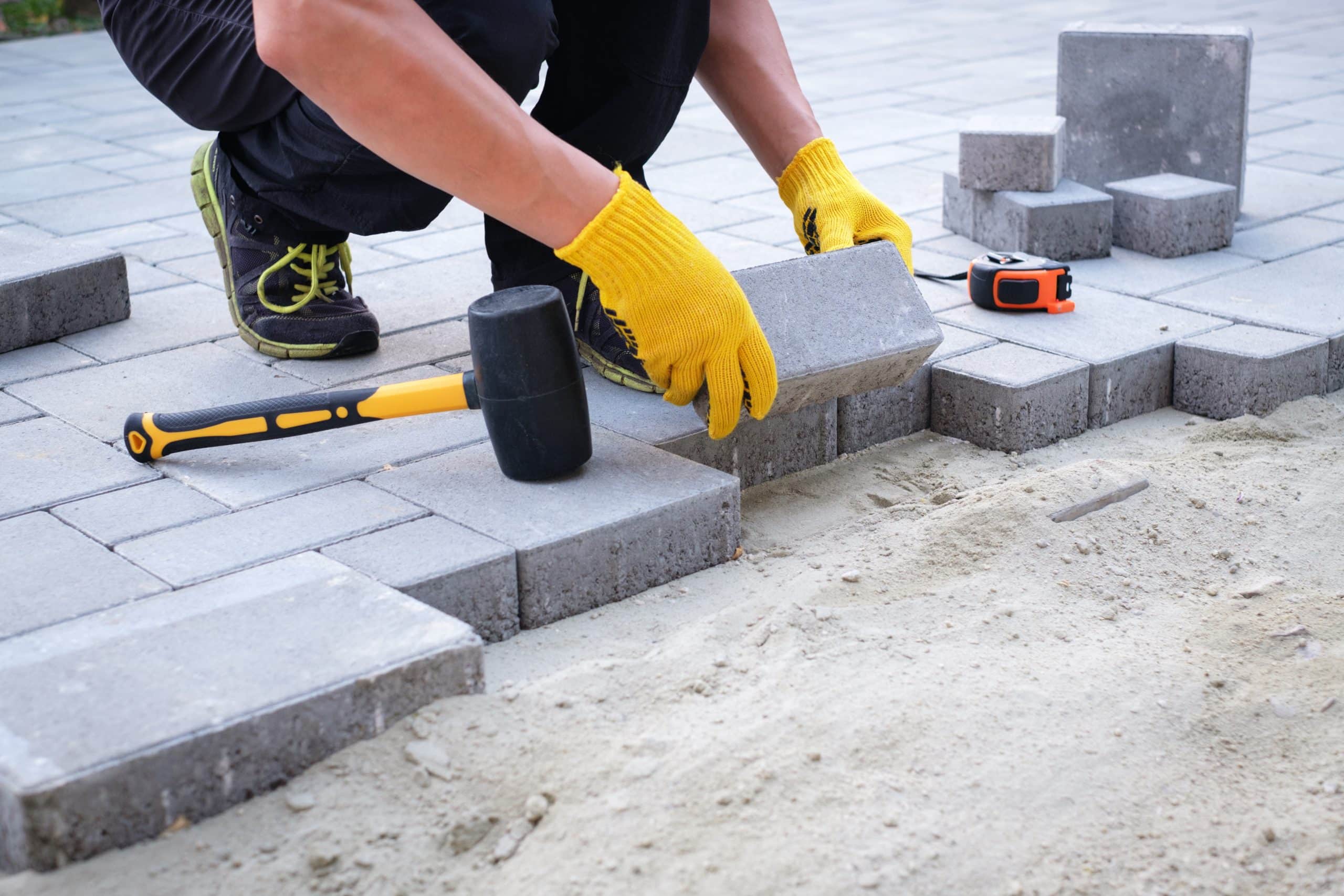
Not sure whether faux stone or real stone is right for your foundation walls? Here's what Nassau County homeowners actually need to know before deciding.
Share:

Summary:
A lot of Nassau County homes were built in the 1950s and 60s, and while the bones are solid, the exposed concrete block foundation walls are a different story. They stain, they crack, they look dated — and no amount of landscaping fully hides them. If you’ve been thinking about covering yours with stone, you’ve probably already hit the wall of conflicting information online: faux stone looks cheap, real stone costs a fortune, nobody gives you actual numbers. This post does. We’ll walk you through what each option actually involves, what it costs on Long Island, and how to make a decision you won’t regret after the first hard winter.
The terminology alone is enough to slow most homeowners down. Faux stone, cultured stone, manufactured stone veneer — these terms all point to essentially the same product: a concrete-based panel molded directly from real stone, then finished with mineral pigments to replicate the texture and color of the original. The result is a product that looks like stone because it was literally cast from stone.
Natural stone veneer panels are something different. These are thin slices of actual quarried stone — granite, slate, limestone, quartzite — cut to about three-quarters of an inch to an inch and a half thick. They’re lighter than full-thickness masonry but heavier than manufactured stone, and they offer genuine geological variation that no manufacturing process can fully replicate.
Both can look excellent on a foundation wall. The decision comes down to budget, climate performance, and what matters most to you aesthetically.
The reason modern manufactured stone veneer looks so convincing is the process behind it. Manufacturers press lightweight concrete — a mix of Portland cement, aggregates, and mineral oxide pigments — into molds taken directly from real stone samples. The result captures the surface texture, shadow lines, and dimensional variation of the original. Premium brands like Eldorado Stone and Cultured Stone take this further by hand-finishing individual pieces, which is why no two panels look identical straight out of the box.
What separates quality manufactured stone from the cheap stuff you’ve probably seen on a house that made you wary of the whole category is the testing behind it. Products certified by the Manufactured Stone Veneer Alliance (MVMA) and manufactured to ASTM C1670 standards have been specifically tested for compressive strength, water absorption, and freeze-thaw durability. That last one matters a lot in Nassau County, where temperatures swing above and below freezing dozens of times between December and March. A product that hasn’t been tested for that cycling will eventually show it — through cracking, spalling, or panels working loose from the wall.
The installation process matters just as much as the product itself. Properly installed manufactured stone veneer requires a weather-resistant barrier behind the panels, metal lath as a substrate on non-masonry surfaces, Type S mortar for exterior freeze-thaw climates, and a weep screed at the base to let moisture drain. Skip any of those steps and the best product on the market can still fail within a few years. This is why the contractor you hire matters as much as the material you choose — and why we maintain a referral network of experienced local installers here on Long Island.
On the cost side, manufactured stone veneer materials typically run $8 to $12.50 per square foot. Add installation labor at $2 to $4 per square foot, and a partial foundation accent — say, the front face of your home or the lower third of the facade — generally runs between $2,000 and $7,000 total. Full exterior coverage on an average home lands somewhere between $10,000 and $35,000 depending on size and complexity.
There’s a version of this conversation where real stone wins cleanly, and it’s worth being honest about that. Natural stone veneer panels offer something manufactured stone genuinely cannot: the actual geological variation, color depth, and material authenticity of quarried stone. In high-value Nassau County neighborhoods — parts of Roslyn, Great Neck, Manhasset, or Old Westbury — where a home’s exterior is expected to reflect a certain level of craftsmanship, that authenticity carries real weight. Buyers notice it. Appraisers notice it.
The tradeoff is cost and complexity. Full exterior coverage in natural stone veneer runs $35,000 to $90,000 or more — roughly three to five times what manufactured stone costs for the same square footage. Natural stone panels are also heavier than manufactured stone, which means your installer needs to assess whether the existing foundation can handle the additional load before anything goes up. There’s also more variability in the material itself: natural stone comes from the ground, and while that variation is part of the appeal, it requires a more skilled installer to blend pieces in a way that looks intentional rather than random.
For foundation wall applications specifically, natural stone veneer panels are an excellent choice when the goal is a premium, permanent finish that will outlast the house. The durability of real quarried stone in a freeze-thaw climate is well established. The key is sourcing panels from a supplier who can show you the actual material — color, texture, thickness — before you commit, rather than ordering blind from a catalog. That’s exactly what our showrooms in Roslyn Heights and Amityville are set up to do: you see the stone at full scale, in natural light, before anything leaves the yard.
If the budget puts natural stone out of reach but you want something in that direction, it’s worth knowing that some manufactured stone profiles — particularly ledgestone styles from Eldorado Stone and Dutch Quality Stone — are consistently mistaken for natural stone by people standing in front of finished homes. The gap between the two categories has narrowed considerably in the last decade.
Want live answers?
Connect with a Powerhouse Mason Supply expert for fast, friendly support.
When most people say they want “stone on their foundation,” what they’re picturing is stacked stone — that clean, horizontal, layered look where the pieces stack tightly in roughly linear courses. It’s worth knowing that stacked stone is a profile, not a material. You can get that look in manufactured stone veneer, in natural stone veneer panels, or in engineered panel systems. The material choice is separate from the aesthetic choice.
Stacked stone profiles work particularly well on the mid-century ranch homes and colonial-style houses that make up a large portion of Nassau County’s housing stock. The horizontal lines complement the low rooflines and straightforward facades of Levittown-era construction in a way that more irregular, fieldstone-style profiles sometimes don’t.
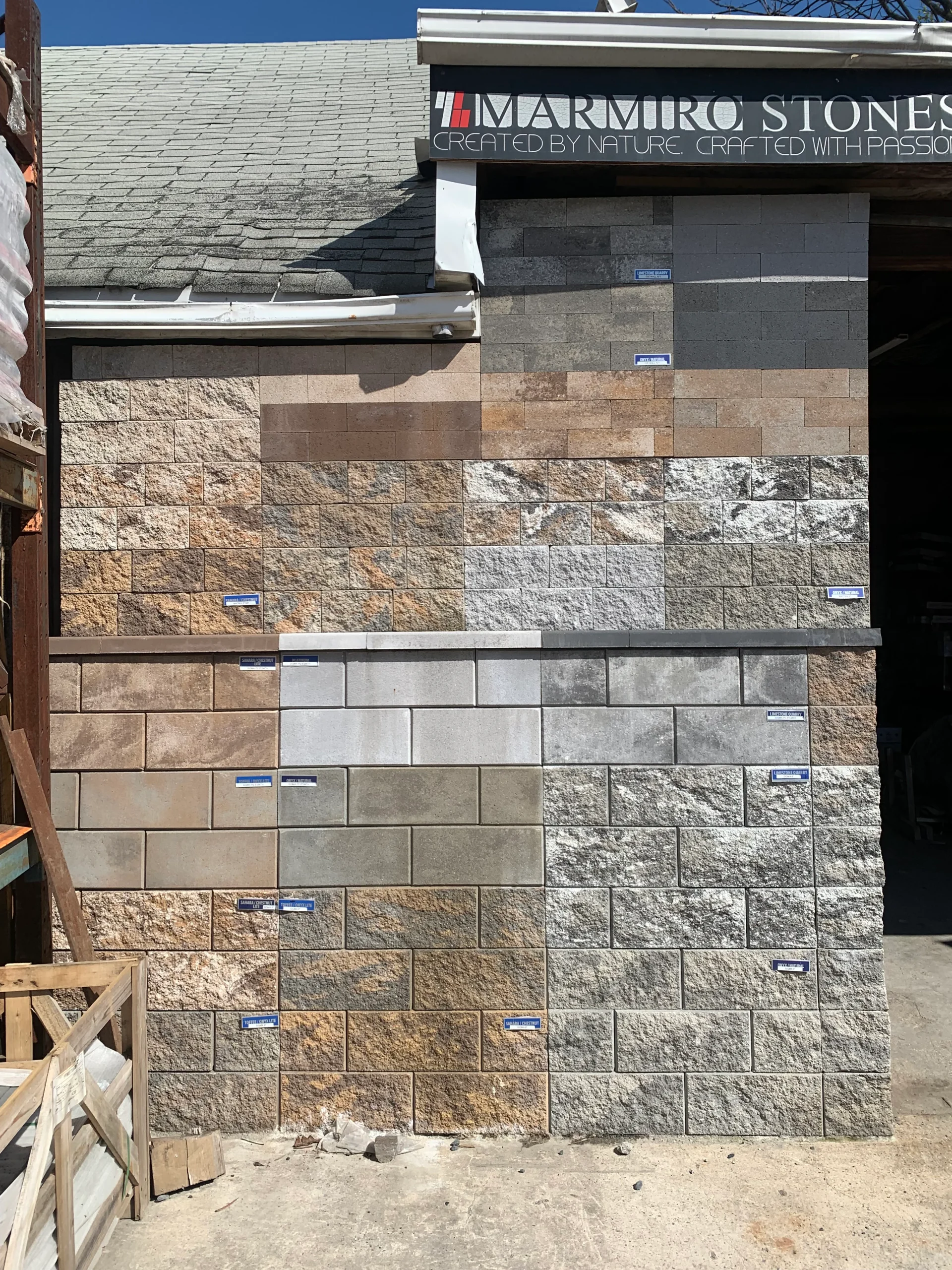
Not all stacked stone products are built the same, and in a climate like Nassau County’s, the difference matters. The freeze-thaw cycle is the real test — water gets into small voids, freezes, expands, and over time works panels loose or causes surface spalling. Products that have been properly tested for this specific stress pattern perform dramatically better than those that haven’t.
Among the manufactured options we carry, Nicolock’s Natural Ledgestone is worth calling out specifically. It uses a Z-joint interlocking design that creates a tight, seamless fit between panels — which reduces the gaps where water can infiltrate in the first place. It’s available in colors including Sterling, Pembrey, and Golden Honey, and it’s designed for exactly the kind of exterior vertical applications Nassau County homeowners are doing: foundation walls, entryway accents, outdoor kitchen surrounds. The profile reads as stacked ledgestone, which is the look most people are after.
Eldorado Stone and Dutch Quality Stone both offer stacked stone profiles in manufactured veneer as well, and each has a different character. Eldorado tends toward a slightly more refined, consistent look. Dutch Quality Stone leans into more variation and a rougher texture. Casa di Sassi offers a European-influenced aesthetic that works well on homes where the architecture has more formal detailing. The only way to really understand the difference between these profiles is to see them side by side — which is one of the primary reasons our Roslyn Heights showroom exists. Picking stone veneer from a small photo on a website is a gamble. Seeing it at full scale in person is not.
For natural stone stacked profiles, the options open up further into quartzite, slate, and certain limestones that split naturally into flat, stackable pieces. These require more skilled installation and cost more per square foot, but the finished result has a depth and texture that manufactured stone approximates rather than matches. If that distinction matters to you, it’s worth a conversation with someone who can show you both options at the same time.
**Does faux rock for the outside of a house actually look real?**
Modern manufactured stone veneer — especially from MVMA-certified brands — is molded from real stone and hand-finished. At normal viewing distances, a quality installation is genuinely difficult to distinguish from natural stone. The “obviously fake” look people associate with faux stone is almost always the result of low-grade products or poor installation, not an inherent limitation of the category. If you’ve seen a bad faux stone job, you’ve seen a bad product or a bad installer. The premium end of the market looks nothing like that.
**Will it hold up through Nassau County winters?**
This is the right question to ask. Manufactured stone veneer that meets ASTM C1670 freeze-thaw standards and is installed with a proper weather-resistant barrier, Type S mortar, and a weep screed at the base will perform well through Nassau County’s winters. Products that cut corners on any of those specifications — either in manufacturing or installation — can fail within a few years in this climate. Ask your supplier whether the product you’re considering is MVMA-certified and whether it’s been tested for freeze-thaw cycling. If they can’t answer that question, keep looking.
**Do I need a permit to cover my foundation wall with stone veneer in Nassau County?**
In many cases, covering an existing foundation wall with adhered stone veneer is classified as a cosmetic exterior improvement and does not require a building permit. However, Nassau County municipalities vary, and the answer can depend on your specific town, the scope of the project, and whether any structural modifications are involved. Nassau County also requires Home Improvement Contractor (HIC) licensing for residential installation work — so whoever you hire should be able to show you that credential. We can connect you with licensed local contractors who know exactly what the permitting picture looks like in your area.
**How much does it cost to put stone veneer on a foundation wall on Long Island?**
For manufactured stone veneer, materials run $8 to $12.50 per square foot. Installation labor typically adds another $2 to $4 per square foot. A partial foundation accent — covering the front face of your home or the lower third of the facade — generally totals $2,000 to $7,000. Full exterior coverage on an average-sized home runs $10,000 to $35,000. Natural stone veneer, if you go that route, runs considerably higher — full exterior coverage can reach $35,000 to $90,000 or more depending on the stone type and the complexity of the installation.
**Can I install stone veneer on an existing concrete block foundation wall?**
Yes — existing concrete block and poured concrete foundation walls are actually ideal substrates for adhered stone veneer. The masonry surface provides a solid, dimensionally stable base. The installation still requires proper preparation: cleaning the surface, applying a weather-resistant barrier, and using the right mortar mix for exterior freeze-thaw conditions. On non-masonry substrates like wood framing or foam sheathing, metal lath is required as an intermediate layer. A qualified installer will assess your specific wall condition before recommending an approach.
The faux vs. real stone decision doesn’t have to be complicated once you have honest information in front of you. For most Nassau County homeowners, manufactured stone veneer from a quality brand hits the right balance of cost, durability, and visual impact — especially for foundation wall applications where the goal is to modernize an aging concrete surface without a major structural project. Natural stone veneer panels are worth the premium when authenticity is genuinely non-negotiable and the budget supports it.
What makes the biggest difference either way is seeing the material in person before you commit and working with an installer who knows what proper installation looks like in a freeze-thaw climate. Both of those things are easier than most people expect. Powerhouse Mason Supply has been helping Long Island homeowners navigate exactly this decision for over 25 years — and our Roslyn Heights showroom puts the actual products in front of you, at full scale, with staff who can walk you through the differences without a sales pitch attached.
Article details:
Share:
Continue learning: