Sticker shock is real. Here's a clear, honest breakdown of cobblestone driveway costs in Nassau County — and the one thing most homeowners never think to ask about.
Share:
Summary:
You got a quote. Maybe it was $18,000. Maybe it was closer to $28,000. Either way, you’re staring at a number and wondering what exactly you’re paying for — and whether the contractor who gave it to you is being straight with you.
That’s a fair question, and it doesn’t have a simple answer. Cobblestone driveway costs vary depending on materials, site conditions, and how the work gets done. But the breakdown isn’t mysterious once you understand the pieces. Here’s what actually drives the price — and where there’s room to be smarter about how you spend it.
The material cost for cobblestone pavers runs $10 to $25 per square foot before installation. Once you add labor and base preparation, total installed costs typically land between $18 and $50 per square foot — with specialty natural stone pavers installations pushing higher. For a standard two-car driveway around 480 square feet, that puts the realistic range at $8,600 to $24,800, with a national average hovering around $16,700.
Those numbers can feel abstract until you understand what’s inside them. The material itself is only part of the cost. Labor typically accounts for about half of the total project price. And before a single stone gets laid, you’re also paying for excavation, sub-base compaction, grading, and — if you’re replacing an existing driveway — removal of what’s already there.
In Nassau County specifically, this cost structure reflects the real work required to handle our freeze-thaw cycles and clay-heavy soils. A contractor who’s built driveways here knows that skipping steps on base preparation doesn’t just cost more later — it guarantees failure within the first winter or two.
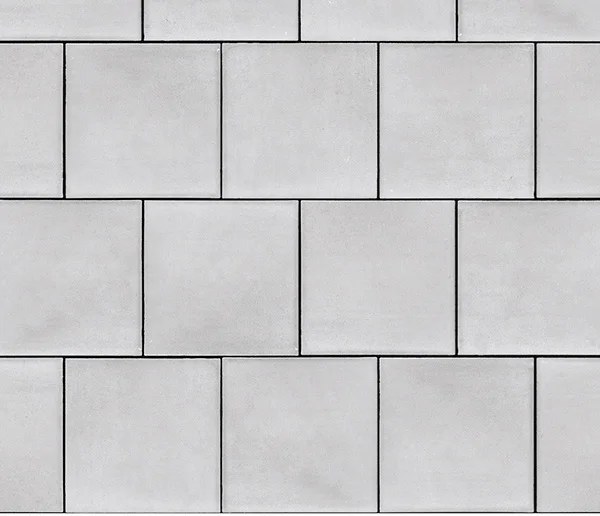
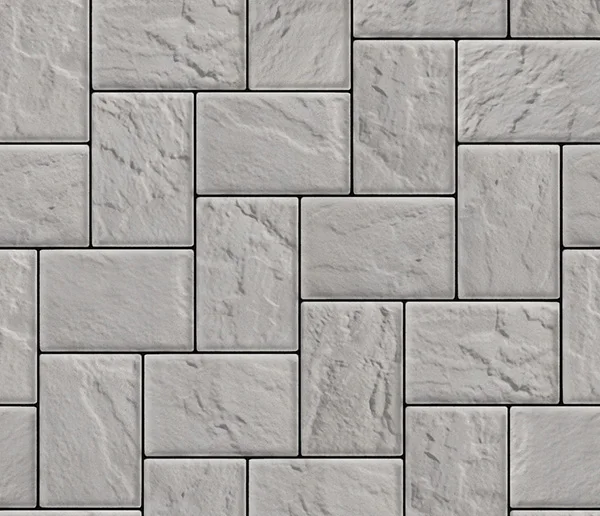
If cost is the primary concern, concrete pavers are where most people start. Standard concrete pavers run $1 to $4 per square foot for materials alone, and cobblestone-look concrete pavers — the kind that mimic the texture and character of natural stone — typically land in the $3 to $6 per square foot range before installation. Add labor and base materials, and you’re looking at an additional $7 to $13 per square foot on top of that.
That’s meaningfully less than natural granite cobblestone, which commands a premium largely because of how labor-intensive it is to install. Each stone is laid by hand, set individually, and adjusted for level and fit. The material cost is higher, and the installation time is longer. That combination is what pushes natural cobblestone projects toward the top of the price range.
Here’s the thing about going budget-first, though: the cheapest material option paired with a poor installation is almost always the most expensive outcome. The number one reason paver driveways fail prematurely — cracking, heaving, shifting — isn’t the stone itself. It’s the base underneath it. Proper excavation, compaction, and drainage are what make a driveway last. Contractors who cut corners on base preparation are the ones generating the callbacks and the redo jobs.
In Nassau County, where freeze-thaw cycles put real stress on anything installed in the ground, a weak base doesn’t survive long. So when you’re comparing quotes, the question isn’t just what’s the cheapest material — it’s what’s included in the price for base preparation. A quote that looks low often gets there by skimping on the part of the job you can’t see once it’s done.
Old driveway removal adds $1,000 to $2,500. Site grading and leveling adds another $1,000 to $3,300. These aren’t optional line items — they’re what separates a driveway that lasts 50 years from one that needs work after the first hard winter.
“Block paving” is the European term for what most Long Island homeowners just call pavers — individual units set in a compacted base rather than poured as a single slab. In Nassau County, the most recognizable version of this is Belgian block, a specific cut of granite cobblestone that’s been a signature of Long Island driveways and aprons for decades.
If you’ve seen a driveway border running along the edge of a blacktop or a full cobblestone apron at the end of a driveway in Roslyn, Great Neck, or Garden City, there’s a good chance it’s Belgian block. These installations have held up because the material itself is that durable when the installation is done right.
Concrete block paving typically runs $10 to $30 per square foot installed, depending on the pattern complexity and site conditions. Natural stone block paving — including Belgian block and granite cobblestone — runs $20 to $50 per square foot installed, with premium or specialty installations going higher. The price difference reflects both material cost and labor: natural stone requires more skill to set correctly, and the irregularity of each piece means installation takes longer.
For Nassau County homeowners specifically, Belgian block is worth understanding as its own category. It’s not just a style choice — it performs well in freeze-thaw conditions when properly installed, it holds up to the salt air exposure that degrades lower-quality materials along the south shore, and it ages in a way that concrete pavers simply don’t replicate. The character it develops over time is part of the appeal. Homes in Muttontown, Sands Point, and Old Westbury have had Belgian block driveways for generations, and they’re still standing.
The distinction between concrete cobblestone-look pavers and true granite block matters when you’re budgeting. Both are legitimate choices — they serve different price points and different aesthetic goals. What we help customers understand at our Roslyn Heights showroom is that the right answer depends on your budget, your soil conditions, your drainage situation, and how long you plan to stay in the home. There’s no universal right answer, but there’s almost always a clear better answer for your specific situation.
Want live answers?
Connect with a Powerhouse Mason Supply expert for fast, friendly support.
Nassau County has a specific set of conditions that out-of-area contractors frequently underestimate. The freeze-thaw cycle here is real and relentless — water gets into the sub-base, freezes, expands, and pushes whatever is above it out of position. Clay soils in many Nassau County properties drain poorly to begin with, which means water accumulates under the surface rather than dispersing.
Combine that with salt air from the Long Island Sound accelerating material degradation, and you have an environment that punishes shortcuts quickly. This is why spring is the season when Nassau County homeowners start searching for driveway help. They’ve just watched another winter do its work, and what cracked or heaved isn’t a surprise — it was a project that was either installed without adequate base preparation or used materials that weren’t suited for the climate.
The replacement buyer is one of the most motivated buyers in this market, and they’re not looking for the cheapest option. They’re looking for the option that won’t fail again.
Most homeowners get two or three quotes and pick the middle one, which is a reasonable instinct but not a reliable strategy. The quotes aren’t always measuring the same thing. One contractor might include full excavation, compaction in lifts, and a proper drainage plan. Another might assume the existing base is adequate and work on top of it. On paper, both quotes look like a cobblestone driveway installation. In practice, they’re completely different projects.
When you’re reviewing a quote, the base preparation line item is the one to scrutinize. What depth are they excavating to? What’s the sub-base material, and how many compaction passes are they doing? Is there a plan for drainage, especially if your property has clay soil or sits close to the water? These aren’t trick questions — a contractor who’s done this work in Nassau County should have clear answers. One who hesitates or gives vague answers is telling you something.
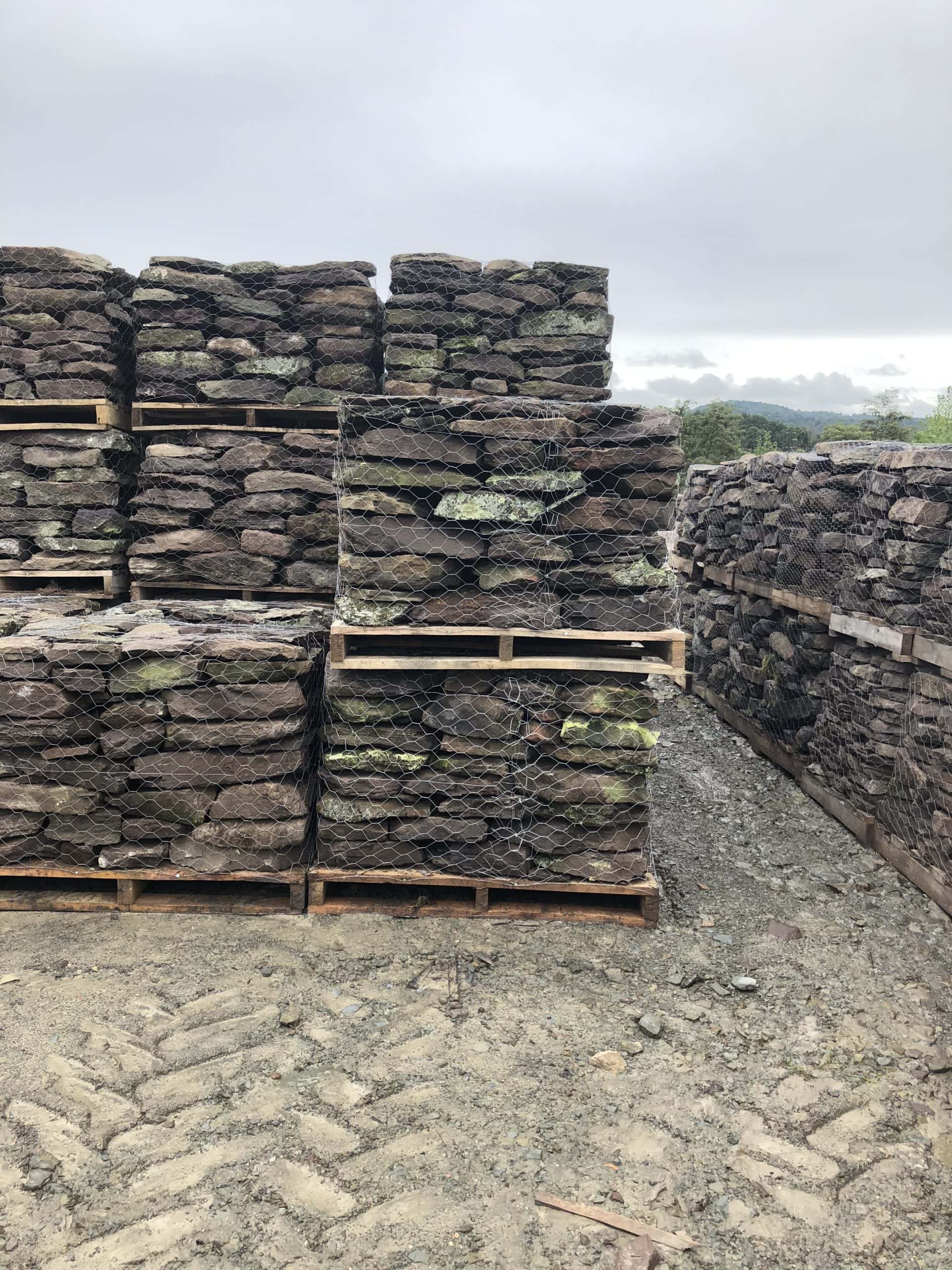
The other number worth understanding is where the materials are coming from and at what price. When a contractor sources materials, they typically mark them up before passing the cost to you. That markup is built into the quote, and you often have no visibility into it. Homeowners who source materials directly from a supply yard and bring in a referred installer separate those two costs — which means they can see exactly what they’re paying for materials versus labor, and they have real control over one of the two biggest line items in the project.
We carry Cambridge Pavers and Nicolock — both brands homeowners in Nassau County recognize and contractors here install regularly — and we can connect you with experienced local installers who know this market. It’s not a complicated strategy, but it’s one that most homeowners don’t know is available to them.
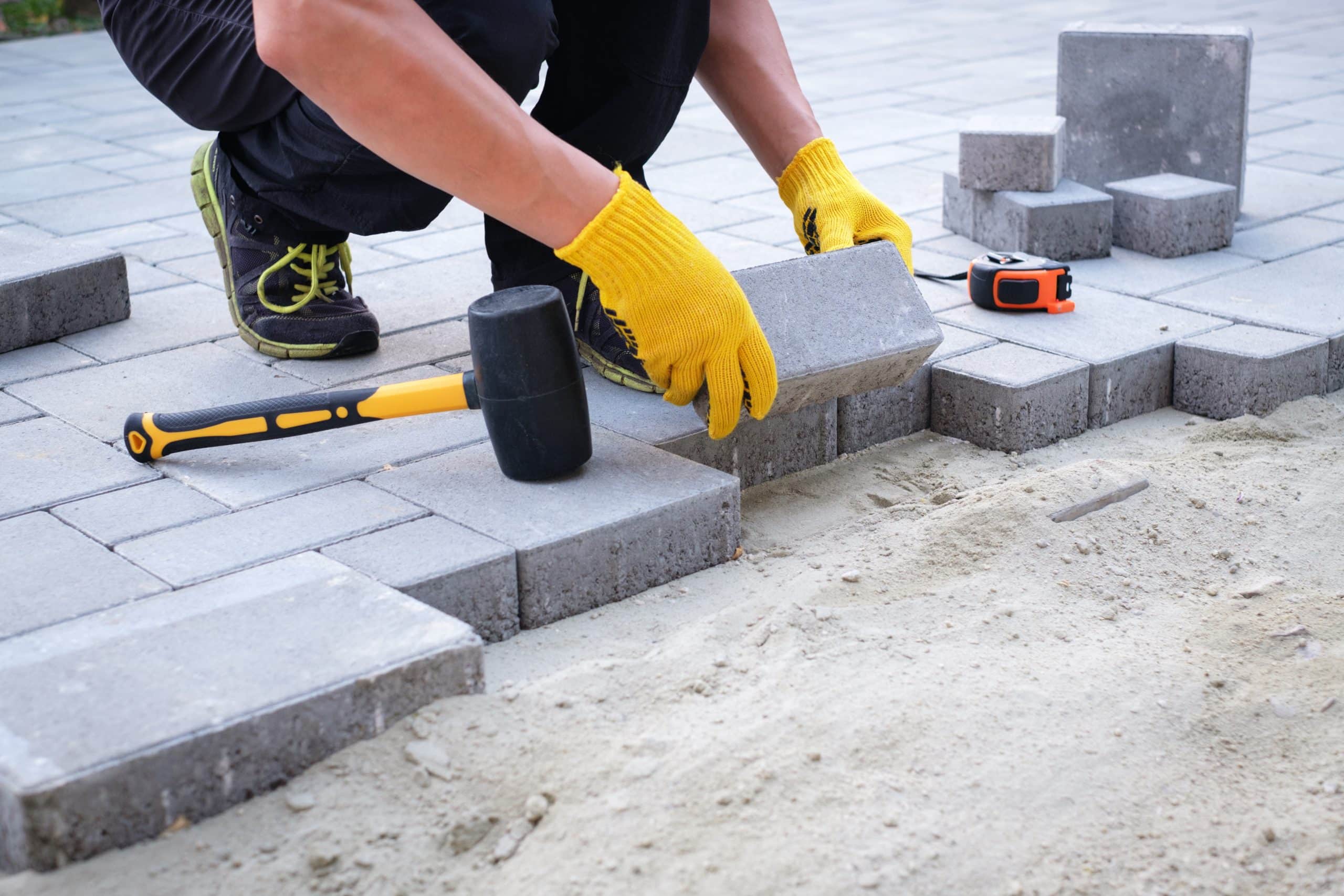
One of the practical advantages of a cobblestone paver driveway that rarely comes up in the initial cost conversation is what happens years down the road when something needs attention. With poured concrete, damage to one section usually means cutting out and replacing that entire section — which is disruptive, expensive, and often leaves a visible patch that never quite matches the original. With cobblestone pavers, individual stones can be removed and reset without disturbing the surrounding surface.
This matters in Nassau County for a few specific reasons. Utility work — water lines, gas lines, drainage repairs — occasionally requires excavation through a driveway. A cobblestone paver driveway can be opened, the work completed, and the stones reset. A poured concrete driveway in the same situation leaves you with a permanent scar.
Freeze-thaw heaving that pushes one or two stones out of position can be corrected by pulling those stones, re-leveling the base underneath, and resetting them — a repair that costs a fraction of what the same damage would cost in a concrete or asphalt driveway. Replacing individual paver stones typically runs $50 to $150 per stone in labor, plus the material cost of the replacement stones.
The key to keeping that cost manageable is matching — which is why buying from a supply yard with consistent, maintained inventory matters. If you installed a Cambridge or Nicolock product and need to replace a stone three or five years later, we carry those lines and can match what you have. That’s not something every supply source can offer, and it’s the kind of detail that feels minor when you’re making the initial purchase and significant when you actually need it.
The long-term math on cobblestone pavers tends to look better than the upfront cost suggests. Asphalt needs regular sealing and eventual repaving. Poured concrete cracks and doesn’t repair cleanly. A cobblestone paver driveway installed on a proper base, with quality materials, in a climate like Nassau County’s, can realistically last 50 years. The upfront investment is higher. The ongoing cost of ownership is lower. That’s the full picture.
The sticker shock of a cobblestone driveway quote makes a lot more sense once you understand what’s actually inside it — materials, labor, base preparation, site work, and the expertise required to do it correctly in a climate like Nassau County’s. The range is wide because the variables are real, not because contractors are guessing.
What you can control is how informed you are going into the process. Understanding the cost breakdown, knowing what questions to ask about base preparation, and knowing that you have options for sourcing materials directly are the things that separate a homeowner who gets a fair outcome from one who doesn’t.
If you’re at the budgeting stage and want to see materials in person, talk through your project, or get connected with a local contractor who knows Nassau County’s conditions, come into our Roslyn Heights showroom or give Powerhouse Mason Supply a call. We’ve been doing this for over 25 years, and we’d rather you go into this project with the right information than end up replacing it again in five.
Article details:
Share:
Continue learning: