Confused by contractor quotes that don't match what you've read online? Here's what paver cost per square foot actually looks like in Nassau County, NY in 2026.
Share:
Summary:
You’ve probably searched paver costs, found a national average somewhere in the $10–$15 per square foot range, and then gotten a contractor quote for $35 or more. That gap isn’t a scam — it’s Long Island. Labor rates here are higher, proper base preparation costs more, and the freeze-thaw winters Nassau County, NY gets every year demand a level of installation that cheaper markets simply don’t require.
Before you sign anything or order a single pallet, it helps to understand what you’re actually paying for — material by material, line item by line item. That’s what this guide is for.
Material cost is typically 30–40% of your total installed project cost. It’s also the one variable you have the most control over — and the one that’s most often misunderstood.
Choosing a paver that’s $2 cheaper per square foot sounds like a win on a 600 square foot driveway, but if that material isn’t rated for the load or the climate, you’re looking at repairs within a few years. In Nassau County, where freeze-thaw cycles are aggressive and winters are long, material quality directly impacts longevity.
Here’s what the materials themselves — before any labor, base prep, or delivery — tend to run in 2026. Keep in mind these are material-only figures. Installed costs on Long Island run considerably higher, and we’ll get to that.
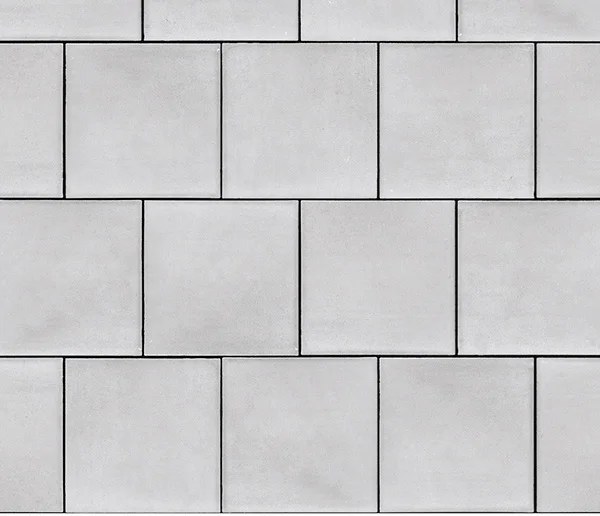
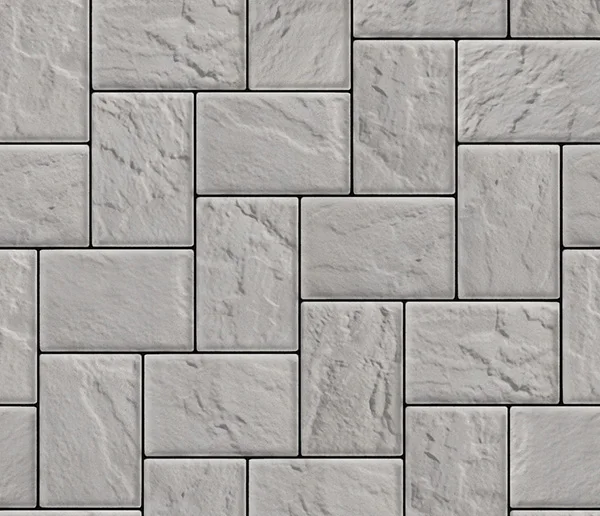
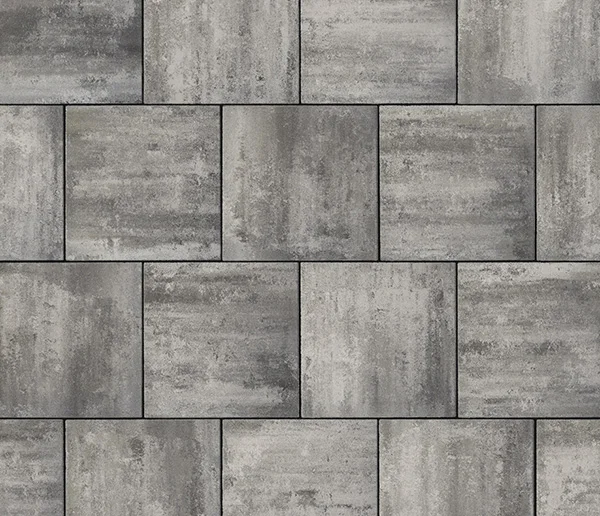
Concrete pavers are the most common choice for Nassau County, NY driveways and patios, and they sit at the more accessible end of the price range — typically $2–$6 per square foot for standard options, and $8–$15 for premium or decorative styles.
Brands like Nicolock and Cambridge Pavers, both of which we carry at Powerhouse Mason Supply, fall within that range and are the names you’ll hear most often from local contractors. They’re not interchangeable with a generic concrete paver from a big-box store — both brands exceed ASTM standards for compressive strength and freeze-thaw resistance, and both come with lifetime limited warranties that transfer to the next homeowner if you sell.
Brick and clay pavers run $4–$15 per square foot depending on size, finish, and origin. They’re a popular choice in older Nassau County neighborhoods where the aesthetic fits the architecture — think the established streetscapes of Garden City or Floral Park — but they require a contractor who knows how to work with them, since installation technique matters more than with concrete.
Natural stone pavers — bluestone, flagstone, travertine — are where the price starts to climb meaningfully. You’re looking at $7–$16 per square foot for most natural stone, with flagstone reaching $13–$30 depending on cut and thickness. These materials are common in the Gold Coast communities on Nassau’s North Shore, where the scale of the property and the aesthetic expectations justify the premium. They look genuinely different from manufactured options, and they age in a way that’s hard to replicate.
Porcelain pavers have grown significantly in popularity over the last several years, particularly for pool decks and modern-style patios. Material cost typically runs $8–$15 per square foot. The appeal is practical as much as aesthetic — porcelain is extremely dense, highly stain-resistant, and doesn’t absorb water the way natural stone can. For a Nassau County homeowner with a pool, that matters. The tradeoff is that porcelain requires a skilled installer and a very stable base; it’s less forgiving of imperfect prep work than concrete.
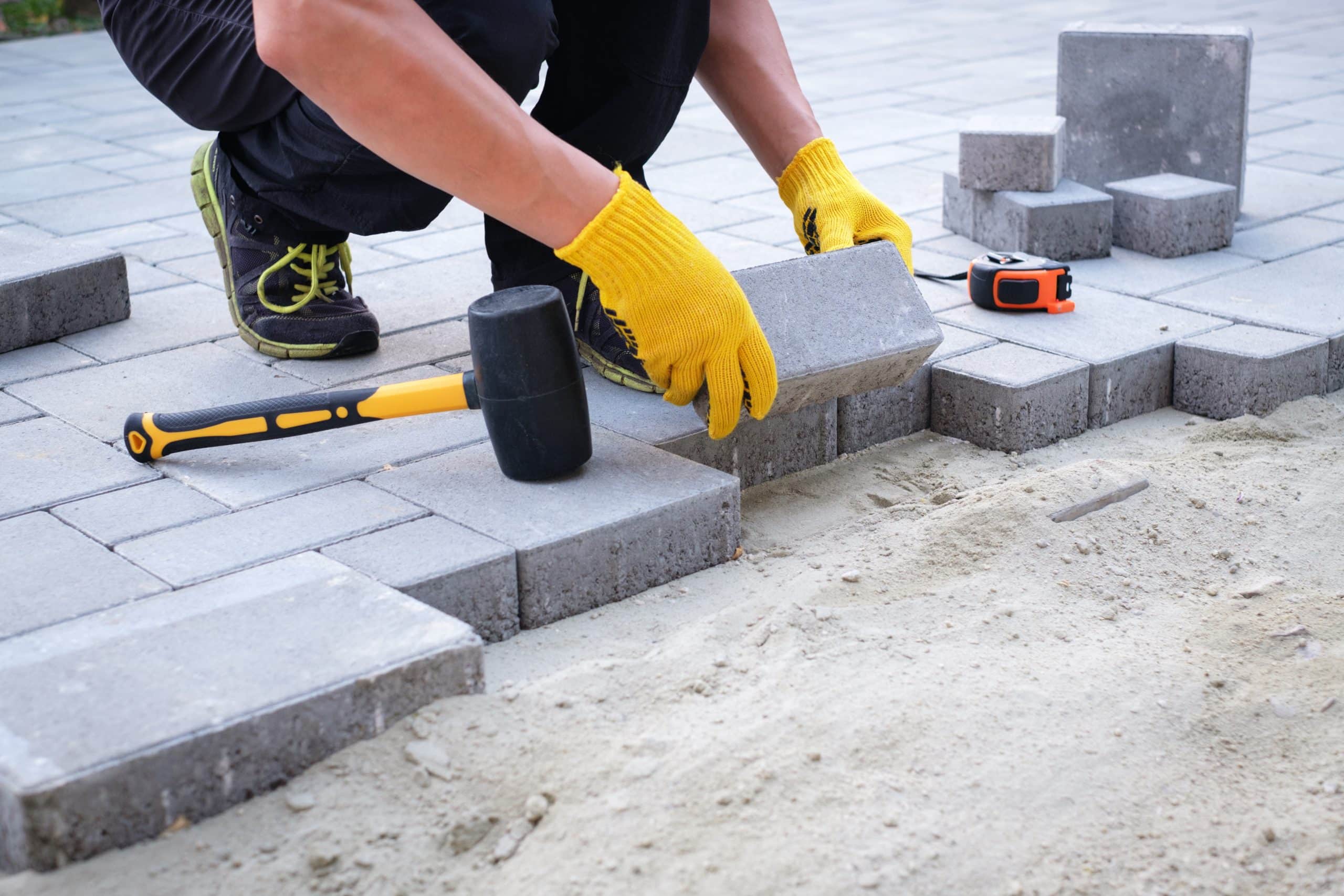
The paver itself is only part of what you’re buying. A properly installed paver surface on Long Island requires a crushed stone base, geotextile fabric, edge restraints, and polymeric sand for the joints. Those materials add roughly $3–$6 per square foot to your material costs before a contractor picks up a tool.
Polymeric sand and sealants alone typically add $0.50–$2.00 per square foot. It’s not a line item people think about when they’re pricing pavers, but it matters — polymeric sand is what prevents weeds from growing in your joints and keeps ants from excavating the base over time. Skipping it or using a cheaper alternative is one of the most common reasons paver surfaces look great for two years and then start to shift and separate.
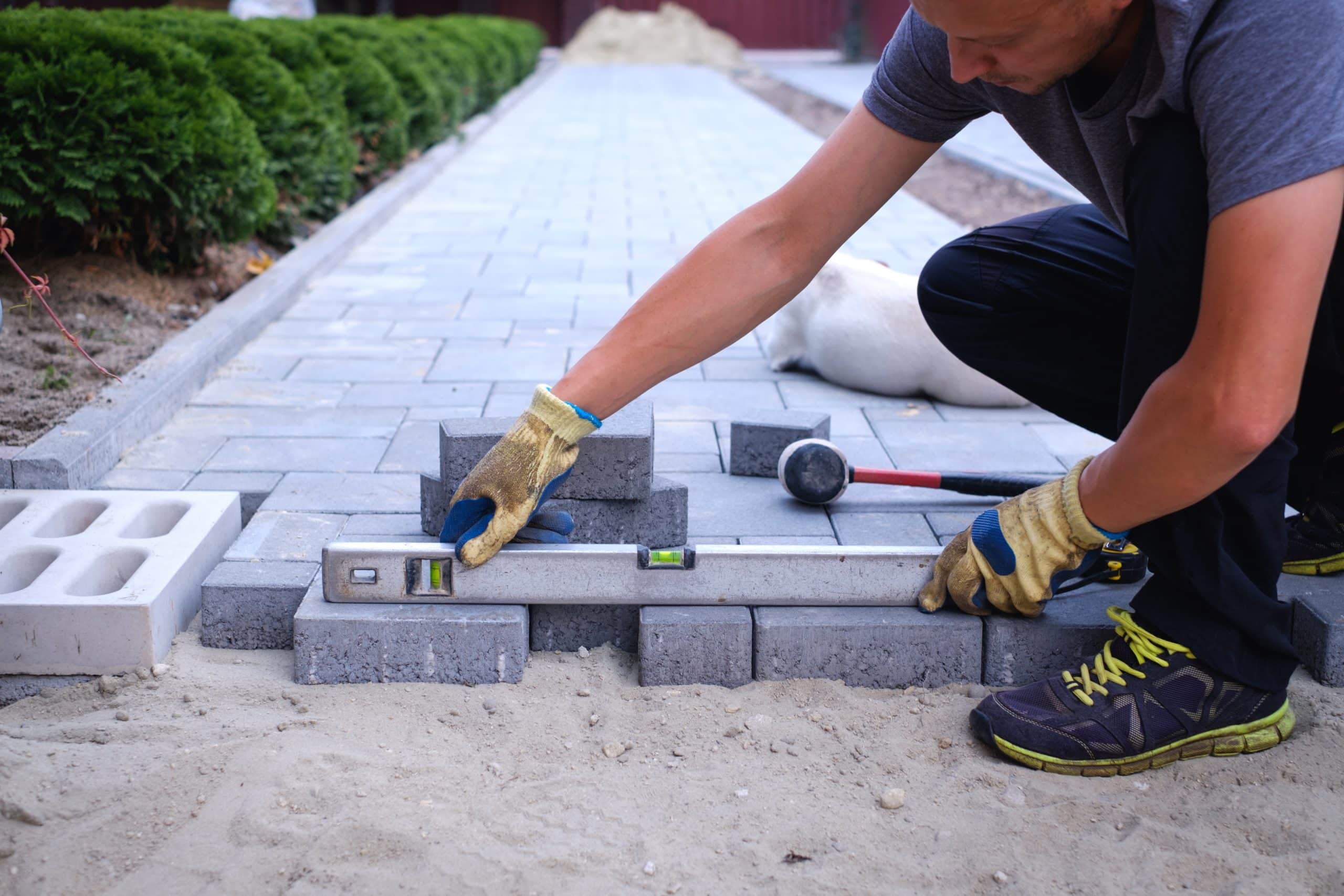
Base depth is the other factor that separates a long-lasting installation from one that doesn’t survive Nassau County winters. The freeze-thaw cycle here is relentless — temperatures drop below freezing regularly, and any moisture trapped in an inadequate base will expand, heave, and shift whatever’s above it. A proper base for a Long Island driveway typically runs 8–12 inches of compacted crushed stone. That’s more material, more labor, and more cost than what a national pricing guide accounts for — but it’s also the difference between a paver surface that lasts 25 years and one that needs repairs in five.
This is why we spend time with customers in our showrooms before they order anything. Understanding what goes under the pavers is just as important as choosing the pavers themselves, and it affects your total budget in ways that aren’t obvious from a price-per-square-foot figure alone.
Want live answers?
Connect with a Powerhouse Mason Supply expert for fast, friendly support.
National pricing guides are a reasonable starting point, but they’re built on national averages — and Nassau County, NY is not an average market. Installed paver patio costs on Long Island typically run $30–$45 per square foot. Paver driveways tend to come in at $20–$35 per square foot installed. Those figures are real, and they’re not inflated — they reflect what it actually costs to do the job correctly in this market.
The gap between national averages and local quotes has a few consistent explanations. Labor rates in Nassau County are significantly above the national average. Proper base preparation for a freeze-thaw climate costs more than prep in a milder region. And material quality matters more here — a paver that performs fine in Georgia may not hold up through a Long Island winter the way a Nicolock or Cambridge product will.
One of the most useful things you can do before accepting a contractor quote is understand what the material portion of that quote should look like. If you know you’re getting a 500 square foot concrete paver patio and the quote is for $17,500, you can work backward.
Material costs for a mid-range concrete paver on Long Island might run $5–$8 per square foot, which puts materials at roughly $2,500–$4,000 for that job. Base materials add another $1,500–$3,000. That leaves $10,000–$13,000 for labor, equipment, polymeric sand, edge restraints, cleanup, and our overhead — which at 13–22% of total project cost is a real and legitimate line item.
That math doesn’t mean the quote is right or wrong. But it gives you a framework for asking the right questions: What base depth are they using? What brand of paver is included in the estimate? Is polymeric sand and sealing included, or quoted separately? These aren’t gotcha questions — they’re the questions a knowledgeable buyer asks, and a good contractor will answer them without hesitation.
This is also where visiting a supply yard before you get quotes can genuinely help. When you’ve seen the material in person, compared Cambridge and Nicolock side by side, and talked to someone who handles these products every day, you come to those contractor conversations with a clearer picture. You know what you want, you know roughly what it should cost, and you’re harder to upsell on something that doesn’t fit your project.
We’ve had customers come into our Roslyn Heights showroom after getting three wildly different quotes, and what they usually discover is that the quotes aren’t comparing the same things — different base depths, different paver grades, different warranty coverage. Seeing the material in person and understanding what’s actually going into the ground helps make sense of that.
Not every paver is right for every application, and the cost difference between a $4 concrete paver and a $12 natural stone option isn’t arbitrary — it reflects real differences in density, load-bearing capacity, finish durability, and how the material behaves over time.
For driveways, you need a paver rated for vehicle traffic. Standard concrete pavers designed for pedestrian areas won’t hold up under the repeated load of a car or SUV. Nicolock and Cambridge both manufacture driveway-specific products with higher compressive strength ratings — and those products are priced accordingly. It’s worth knowing this before you choose based on price alone.
For patios and outdoor living spaces, the range opens up considerably. If you want something that looks like natural stone but performs more predictably, a premium concrete paver with a textured finish is a strong choice. If the aesthetic matters more than cost, and the project is in a setting where natural stone fits — a North Shore property with mature landscaping, for instance — then the premium for bluestone or flagstone is often worth it. Porcelain is increasingly the choice for pool decks, where the non-porous surface resists staining and doesn’t get as hot underfoot in summer.
Walkways sit somewhere in the middle. They see less stress than driveways and more foot traffic than patios, and they’re often where homeowners take the most aesthetic risk — mixing materials, playing with patterns, or using a color that contrasts with the house. We see a lot of creativity in walkway projects, and the material cost per square foot on a walkway is usually the least of the budget concerns compared to the complexity of the pattern or the edge detail.
The right material depends on your specific project, your budget, your aesthetic, and the conditions of your property. That’s a conversation worth having in person — which is exactly what our showrooms in Roslyn Heights and Amityville are set up for.
Paver cost per square foot is a useful starting point, but it’s only one piece of the picture. The material you choose, the base under it, the contractor who installs it, and the specific conditions of your property all shape what you’ll actually spend — and what you’ll end up with.
Nassau County homeowners have a real advantage here: you don’t have to make these decisions from a screen. You can walk into our showroom, see Cambridge and Nicolock side by side, hold a porcelain tile next to a natural stone sample, and talk to someone who’s been working with these materials for decades. That kind of clarity is hard to put a price on when you’re about to spend $15,000–$40,000 on a project that’s going to be in front of your house for the next 25 years.
If you’re in the planning stages and want to understand your options before you commit to anything, Powerhouse Mason Supply is a good place to start. Visit us in Roslyn Heights or Amityville to see the materials in person.
Article details:
Share:
Continue learning: