Thinking about stone for your home's exterior? Here's what Nassau County homeowners actually need to know before picking a product or calling a contractor.
Share:

Summary:
You saw it on a house in your neighborhood — maybe in Roslyn, maybe in Wantagh — and now you can’t unsee it. Stone on the exterior, clean and solid, the kind that makes a home look like it was built to last. So you start searching, and suddenly you’re swimming in terms: cultured stone, manufactured stone veneer, natural stone panels, faux stone, ledgestone. It all blurs together fast.
Here’s the good news: the product category is simpler than the vocabulary makes it seem. Once you understand what you’re actually looking at, the right choice for your home becomes a lot more obvious.
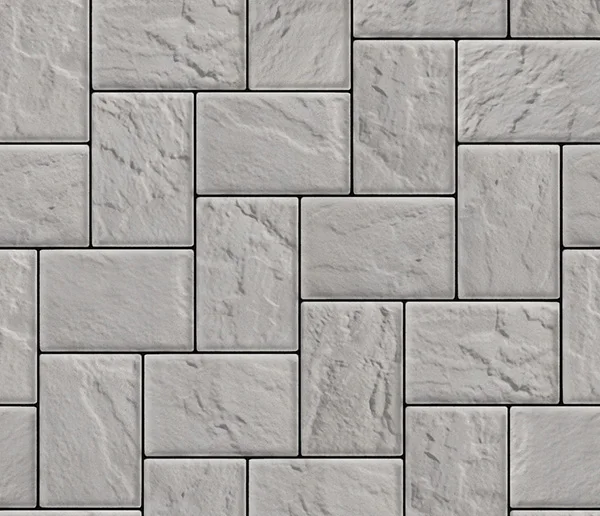
Cultured stone — also called manufactured stone veneer — is made from Portland cement, lightweight aggregates, and mineral pigments, poured into molds cast from actual natural stones. The result is a product that captures the shape, texture, and color variation of real stone at a fraction of the weight and cost. It’s engineered, not fake. That distinction matters, because modern cultured stone is nearly indistinguishable from natural stone once it’s on a wall.
Natural stone veneer, by contrast, is cut directly from quarried stone — typically 3/4 to 1-1/4 inches thick. It’s heavier, more expensive, and carries the kind of authentic variation that no manufactured product can fully replicate. Neither is universally better. The right choice depends on your budget, your home’s structure, and what you’re trying to achieve visually.
If you’ve been browsing stone exteriors online or driving through Nassau County neighborhoods, you’ve probably noticed how often grey shows up. There’s a reason for that. Grey stone — whether in cool slate tones, warm charcoal, or soft mid-range greys — works with virtually every architectural style common to this area. Cape Cods, colonials, ranch homes, split-levels: grey stone reads as timeless on all of them.
It pairs naturally with white trim, dark roofing, and brick accents, which is essentially the default exterior palette across a huge portion of Long Island’s housing stock. Unlike warmer earth tones or more trend-dependent colors, grey stone holds its appeal across real estate cycles. In Nassau County’s market, where resale value matters, grey is a safe, smart choice.
The practical side matters too. Lighter greys tend to show efflorescence (the white mineral deposits that can appear on masonry over time) less prominently than darker tones, while deeper charcoals can show dust and debris more easily. A mid-range grey often hits the sweet spot between visual drama and low maintenance.
We carry grey tones across multiple product lines at our Roslyn Heights showroom, including options from Cultured Stone, Dutch Quality Stone, and Eldorado Stone. Seeing them side by side in person makes a real difference — screen colors and actual stone colors are rarely the same thing.
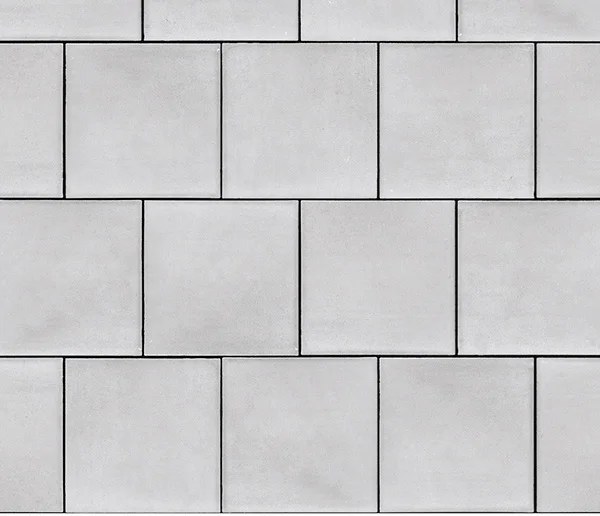
Decorative stone panels are a format, not a product type. Instead of installing individual stone pieces one at a time, panel systems come pre-assembled in sections with interlocking joints that align cleanly during installation. The look is typically more contemporary — consistent joint lines, geometric profiles, a flatter and more structured aesthetic compared to the organic randomness of individually laid stone.
For Nassau County homeowners who want a modern edge on a colonial or transitional-style home, panels are worth a serious look. They work especially well as accent applications: a foundation skirt along the front of the house, an entryway surround, column wraps, or a feature wall on a garage facade. You don’t have to stone the entire exterior to get a dramatic result.
A well-placed panel accent can shift the entire character of a home’s street presence. The installation speed is another real advantage. Panel systems go up faster than individual stone, which means fewer labor hours and a lower total project cost.
One thing to keep in mind: because panel systems have consistent joint lines and a more structured appearance, they read differently at close range than individually laid stone. Up close, the pattern is more apparent. From the street — which is where curb appeal actually gets evaluated — the difference is minimal.
Want live answers?
Connect with a Powerhouse Mason Supply expert for fast, friendly support.
There’s a ceiling to what manufactured stone can replicate. The variation in natural stone — the way no two pieces are exactly alike, the depth of color that comes from actual mineral composition — is something that even the best cultured stone products approximate rather than match. For homeowners in communities like Great Neck, Manhasset, or Old Westbury, where the homes are larger, the budgets are higher, and the aesthetic standards are exacting, natural stone panels are often the right answer.
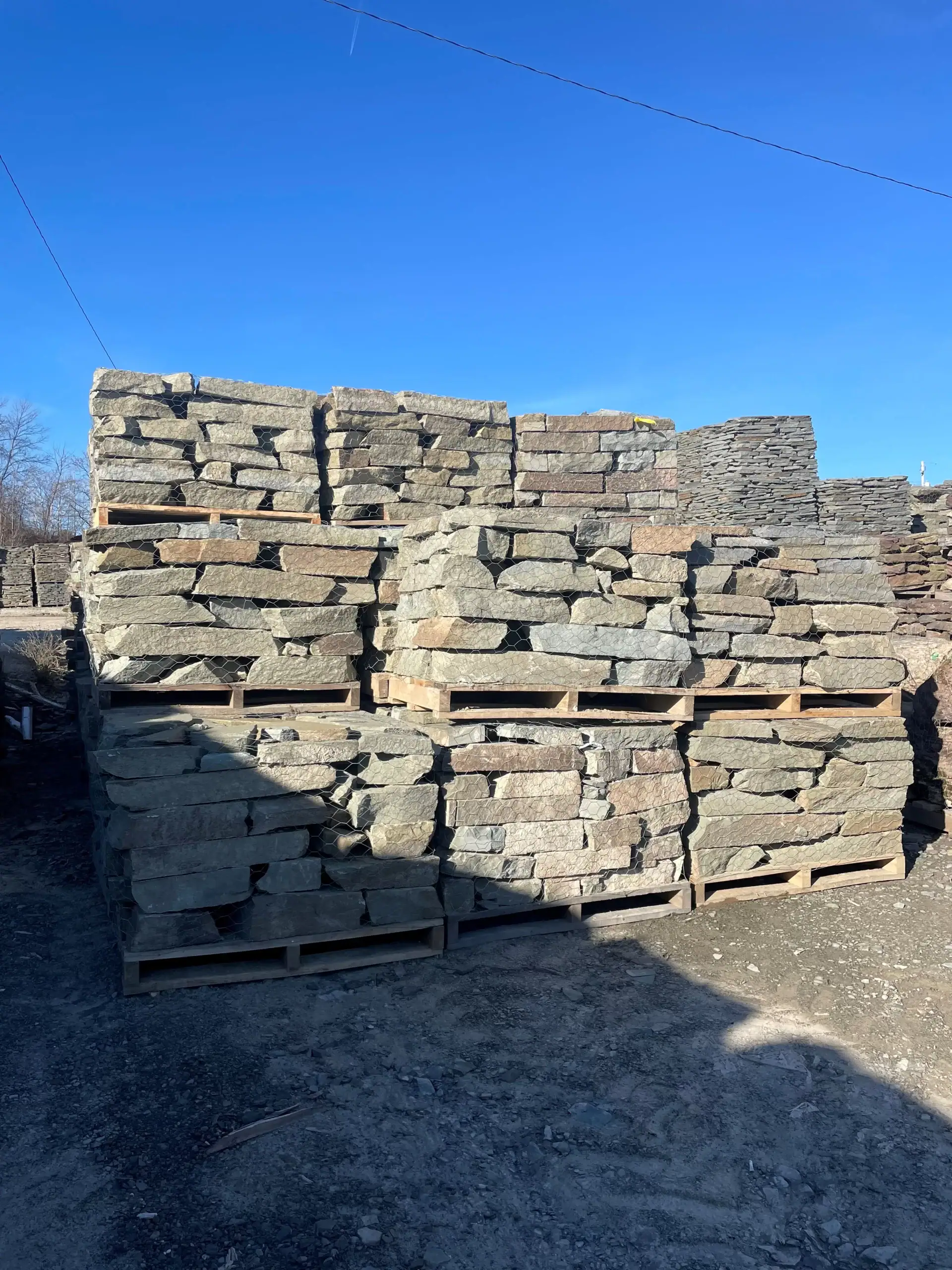
Natural thin stone veneer is cut from quarried stone and typically runs 3/4 to 1-1/4 inches thick. It’s heavier than manufactured stone veneer, which means substrate and structural considerations matter more, but it doesn’t require the same structural reinforcement as full-depth natural stone construction. A qualified installer who understands the difference can assess your wall assembly and tell you what’s appropriate.
This is the part that most online guides skip — and it’s the part that matters most if you live on Long Island. Nassau County gets regular sub-freezing temperatures from December through March. That freeze-thaw cycle is one of the most demanding conditions any exterior material has to survive, and stone veneer — both manufactured and natural — is not immune to it.
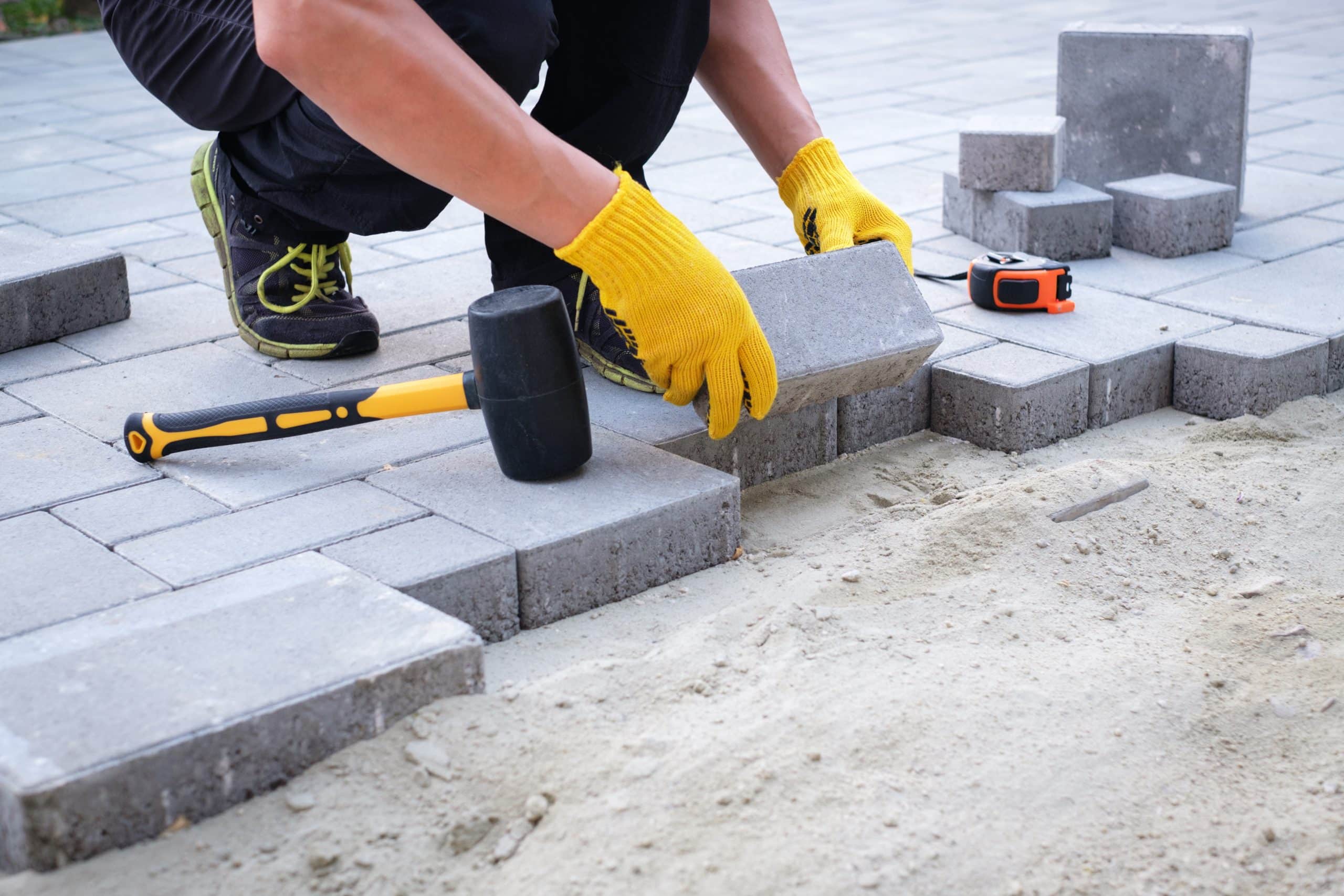
Here’s what actually happens when it goes wrong: water seeps into porous stone, freezes, expands, and forces chunks off the face of the wall. It’s a documented failure mode, and it’s almost always caused by one of two things: the wrong product, or improper installation. Budget stone veneer products that haven’t been tested to ASTM standards for water absorption and freeze-thaw cycling are particularly vulnerable. So are installations that skip the weather-resistant barrier behind the veneer, use the wrong mortar, or omit proper flashing at windows and doors.
The south shore communities — Wantagh, Massapequa, Merrick — add another variable: proximity to the Atlantic means salt air and elevated moisture exposure year-round, not just in winter. North shore communities along the Sound face similar conditions. For homes in these areas, the quality of the product and the precision of the installation matter even more.
The brands we carry — Cultured Stone, Dutch Quality Stone, Eldorado Stone — are established manufacturers with documented performance in cold-weather climates. That’s not a given with every product on the market, and it’s one of the most important reasons to buy from a supplier who knows what they’re stocking and why.
According to the Remodeling 2024 Cost vs. Value Report, manufactured stone veneer installation delivers an average return on investment of 153%. That’s one of the highest ROI figures of any exterior remodeling project tracked in that report — higher than new garage doors, higher than fiber cement siding, higher than most window replacements.
In a market like Nassau County, where median home values consistently exceed $600,000 and buyers have high expectations for curb appeal, that number carries real weight. Exterior stone veneer is one of the few upgrades that improves how a home looks from the street and shows up in the appraisal. It’s a capital improvement with documented resale impact.
For homeowners in Nassau County’s older housing stock — the 1950s and 1960s Cape Cods and ranch homes that make up a huge portion of the county’s inventory — stone veneer is one of the most effective ways to modernize an aging exterior without gutting the whole facade. Adding a stone skirt along the foundation, wrapping the front columns, or framing the entryway in ledgestone can transform a dated exterior into something that looks intentional and current.
Cultured stone veneer typically runs in the range of $8 to $15 per square foot installed, which is significantly less than full natural stone construction. That range is wide because labor costs, stone profile, and project complexity all vary — but it gives you a working number to bring into early contractor conversations. Our team at the Roslyn Heights showroom can give you current pricing and connect you with experienced local installers who can estimate the full project.
Cultured stone is the right choice for most Nassau County homeowners who want a durable, realistic-looking exterior upgrade at a manageable cost. Natural stone panels are worth the premium when authenticity and uniqueness are the priority. Decorative panel systems make sense when the aesthetic is more contemporary and installation speed matters. Grey tones are the safest color bet in this market. Whatever product you choose, the installation has to be done right — proper barrier, proper mortar, proper flashing — or the first hard winter will tell you what you missed.
The longer version is a conversation worth having in person. Seeing stone samples side by side, understanding how different profiles read at street distance versus close up, and getting a realistic picture of what your specific project will require — that’s not something a website can fully deliver.
We’re at 85 Powerhouse Rd in Roslyn Heights, and our showroom is open Monday through Saturday. If you’re early in the process and still figuring out what you want, that’s exactly the right time to come in. Powerhouse Mason Supply has been helping Long Island homeowners and contractors navigate these decisions for over 20 years, and we’d be glad to help you work through yours.
Article details:
Share:
Continue learning: