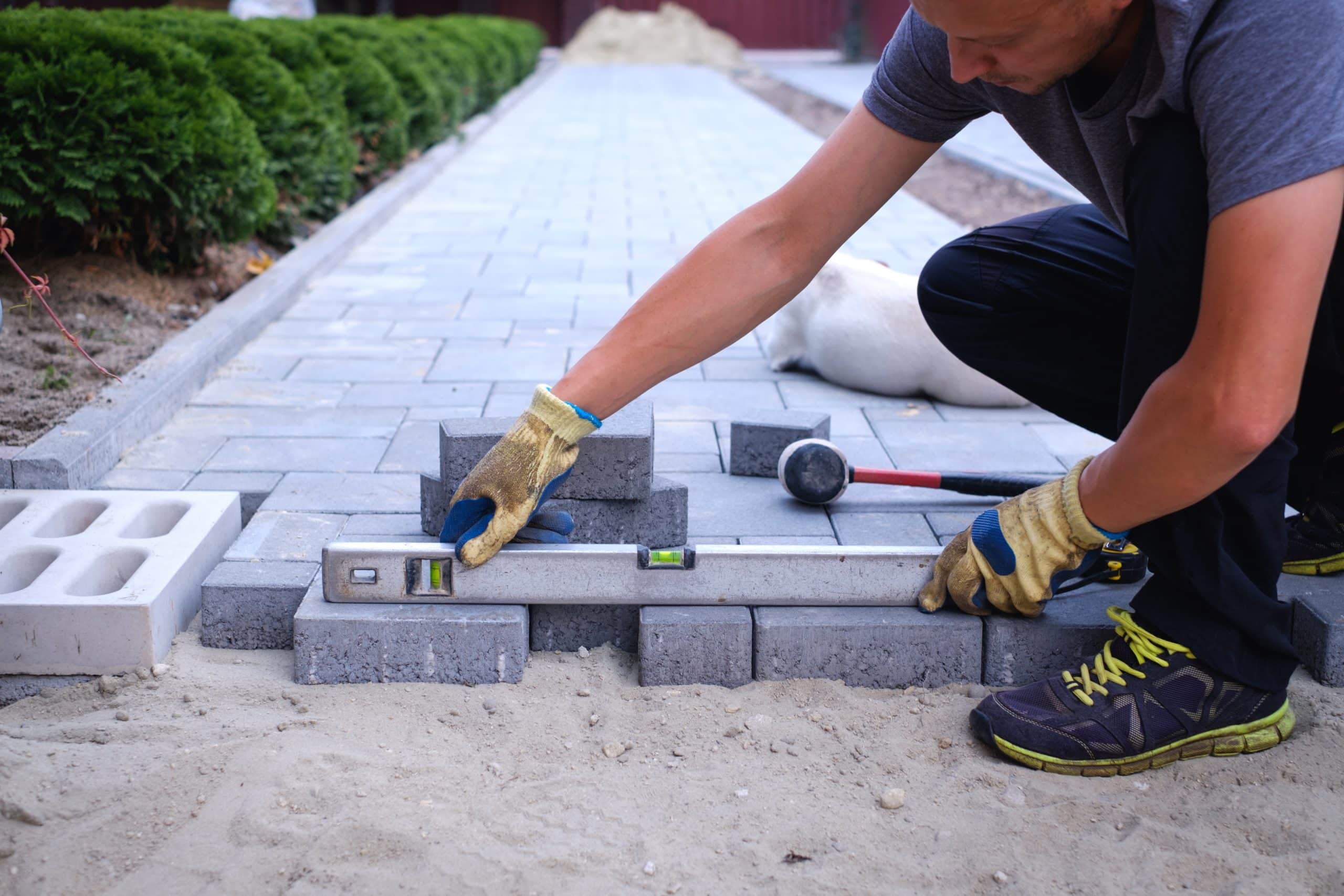
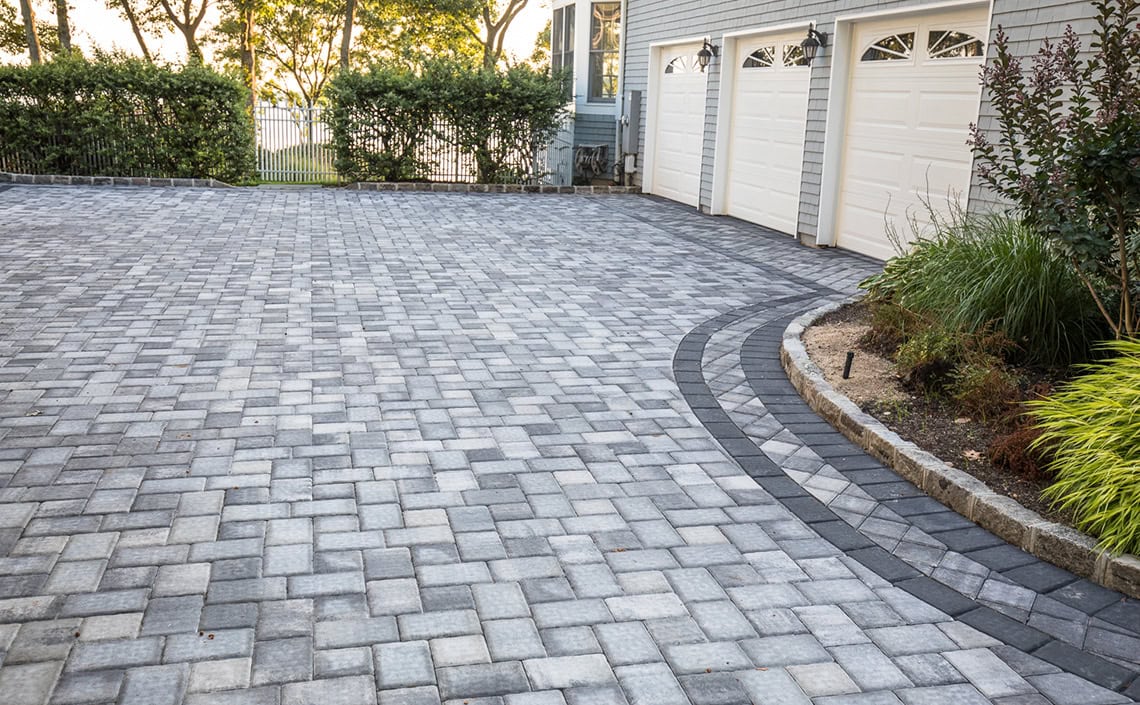
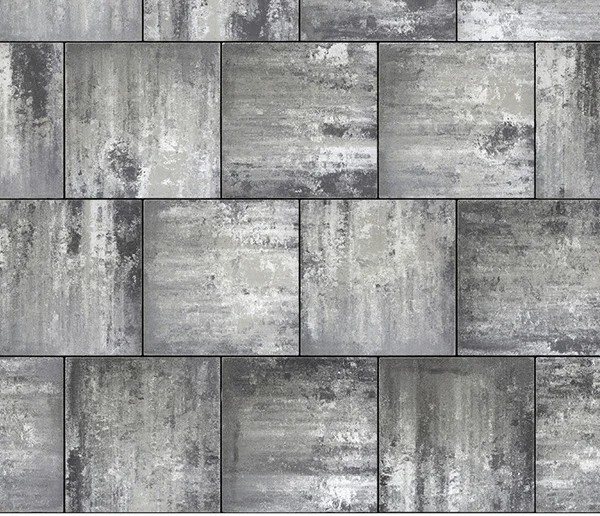
Fall is actually the best time to buy patio pavers on Long Island — here's why Nassau County homeowners who move now end up ahead come spring.
Share:
Summary:
If you’ve been putting off your patio project all summer, you’re not behind — you might actually be right on time. September and October on Long Island hit a quiet window that most homeowners don’t know to take advantage of: contractors are wrapping up their summer backlog, ground temperatures are still workable for installation, and our supply yards are fully stocked. The spring rush hasn’t started. The competition for contractor time is low. And you can take the time to actually choose the right pavers instead of grabbing whatever’s available. Here’s what you need to know before you buy.
There’s a rhythm to the paver business on Long Island, and most homeowners only see one side of it — the spring surge. By April, contractors are booked weeks out, supply yards are moving fast, and buyers are making rushed decisions just to get on someone’s schedule. Fall flips that entirely.
In September and October, Nassau County’s ground temperatures stay in the range where paver installation goes smoothly. The frost hasn’t set in. Contractors who spent July and August slammed with work are actively looking to fill their fall calendars — which means you have more options and, often, more leverage.
If you’ve been waiting for the right moment, this is it. You’re not competing with fifty other homeowners for the same contractor’s attention. You’re not forced to pick pavers from whatever’s left on the shelf. You can actually think through your choices.
One of the most common things we hear from Nassau County homeowners is that they got a contractor quote and felt the sticker shock. The number looked big, and suddenly “inexpensive pavers for patio” became the search they were running at midnight. We get it.
But there’s a distinction worth making here, because it changes how you shop. The installation labor — excavation, base preparation, laying, and finishing — is where the bulk of a patio project budget goes. The pavers themselves, at the material level, are often more affordable than people expect.
Concrete pavers from Cambridge or Nicolock, two of the most trusted brands on Long Island, typically run in the range of $4 to $10 per square foot for the materials. That’s not a bargain-bin product — both brands carry lifetime manufacturer warranties and are engineered specifically for the freeze-thaw cycles Nassau County puts pavers through every winter.
What makes a paver genuinely inexpensive over time isn’t the sticker price at the yard. It’s whether it holds up after five winters, whether the color stays consistent, and whether you’re replacing cracked units in three years. The concrete pavers we stock are denser, more dimensionally accurate, and better tested than what you’ll find at a big-box store — and they cost less in the long run because they don’t fail.
For Nassau County homeowners working with a tighter budget, the honest answer is this: concrete pavers are the value-smart choice. Not because they’re cheap, but because they perform well, last decades, and don’t require you to compromise on the look of your outdoor space. The range of styles, colors, and finishes available in concrete is wide enough that most homeowners find exactly what they want without stepping up to natural stone or porcelain.
There’s a difference between buying inexpensive pavers and buying cheap ones — and it matters more in Nassau County than in most places. Long Island’s winters are not gentle. The county sees somewhere between 20 and 40 freeze-thaw cycles in a typical season, which means water gets into any pores or micro-cracks in a paver, freezes, expands, and does its damage. Over and over.
Pavers that aren’t built for this don’t just look worn — they crack, shift, and eventually need to be replaced. The pavers you’ll find at a big-box retailer are typically lower-density, less consistent in dimension, and not manufactured with Northeast winters as the design target.
Cambridge Pavers are made with ArmorTec, an integrated surface protection that resists staining, oil, and weathering, and they carry a lifetime limited manufacturer warranty. Nicolock uses its patented Paver-Shield manufacturing process to create an ultra-dense surface with color that doesn’t fade — also backed by a limited lifetime warranty. These aren’t marketing claims. They’re the reason Long Island contractors specify these brands by name.
We stock both Cambridge and Nicolock at all three of our locations. That’s not common. Most supply yards carry one or the other. We carry both at volume — and we restock Cambridge nightly to make sure we have what you need when you need it.
If you’re in Nassau County and you want to see these products in person before committing, our Roslyn Heights showroom at 85 Powerhouse Rd is the closest place to do that. You can touch the pavers, compare colors in natural light, and talk to someone who can actually answer your questions — not a seasonal employee pointing you toward an aisle.
One more thing worth knowing: if you don’t need a full pallet, we can work with that. Most supply yards sell by the pallet only. We’ve broken pallets for customers who needed less, because a smaller patio or a repair job shouldn’t force you into buying more than you need.
Want live answers?
Connect with a Powerhouse Mason Supply expert for fast, friendly support.
Buying paver stones isn’t complicated, but there are a few things Nassau County buyers consistently wish they’d known earlier. The first is that the pavers themselves are only part of what you need.
A proper patio installation requires a base — typically four inches of compacted recycled concrete aggregate (RCA) followed by one inch of bedding sand. Without the right base, even the best pavers will shift, sink, or crack within a few years. We carry the construction materials and base materials needed for the project alongside the pavers, so you’re not making a second trip somewhere else.
The second thing is contractor licensing. In Nassau County, contractors who do home improvement work — including paver installation — are required to carry a Nassau County Home Improvement Contractor license. We connect our customers with local contractors who are experienced, properly licensed, and familiar with the specific soil and drainage conditions you’ll find across Nassau County communities.
This is the question almost every Nassau County homeowner asks, and the honest answer has two parts. The material cost — meaning the pavers themselves — typically runs between $4 and $10 per square foot for Cambridge or Nicolock concrete pavers. That’s the number you’re paying at our supply yard.
The installed cost, once you factor in labor, excavation, base preparation, polymeric sand, edge restraints, and any grading work the site needs, runs considerably higher. Local estimates for complete paver patio installations in Nassau and Suffolk County range from $18 to $35 per square foot. That’s a wide range because patios vary significantly in size, complexity, site conditions, and the specific materials chosen.
What we can tell you is that buying your materials directly from Powerhouse Mason Supply — rather than having a contractor source them — gives you visibility into exactly what you’re paying for. You can see the product, confirm the brand, and know the per-unit cost before anything gets installed. That transparency matters when you’re evaluating contractor quotes, because the materials line item in a quote is something you can verify.
For Nassau County homeowners in communities like Levittown, Massapequa, or Hicksville, where a lot of the housing stock goes back to the postwar era, paver projects often involve replacing aging concrete slabs or cracked asphalt. Those projects tend to be straightforward in scope, which keeps the installed cost toward the lower end of that range. Coastal communities like Long Beach or Oceanside have different considerations — salt air and drainage — that can influence both material selection and site prep requirements.
This is one of the most common questions we get from Nassau County homeowners who are considering a fall purchase, and the concern is legitimate. Nobody wants to buy a pallet of pavers and then find out the ground froze before the contractor could finish the job.
Here’s the reality for Long Island: September and October are excellent months for paver installation. Daytime temperatures are typically in the 50s to 70s, the ground hasn’t frozen, and conditions are actually easier to work in than the humid heat of July. The installation window starts to close in November as overnight temperatures drop and frost becomes a consistent factor. December through March is generally not workable for new installations.
So if you’re buying pavers in September or October with the intent to install this season, you have time — especially if you’re moving quickly. If you’re buying in late October with a realistic eye on the calendar, another strong option is to secure your materials now and stage them for a first-available spring installation. You’ve already made the decision, locked in your product, and you’re not scrambling in April when every contractor is suddenly booked and supply yards are moving fast.
The other piece of this is what fall does for contractor availability. After a busy summer, experienced Nassau County paving contractors are actively looking to fill their fall schedules. That’s a better dynamic for you as a buyer than the spring market, where the best contractors are often booked before you’ve even decided on a pattern. Coming in with your materials already chosen — and a supply yard that can connect you with a licensed local contractor — puts you ahead of most buyers before the conversation even starts.
The window is real, and it doesn’t stay open long. September and October give Nassau County homeowners a genuine edge — better contractor availability, workable ground conditions, and the time to make a considered decision without the pressure of the spring rush bearing down on you.
If you want to see the pavers before you buy, our Roslyn Heights showroom is in Nassau County and open Monday through Friday from 7 AM to 5 PM, and Saturdays from 7 AM to 1 PM. You can walk in, compare Cambridge and Nicolock side by side, get a straight answer on how much material your project actually needs, and leave with a clear plan.
Powerhouse Mason Supply has been doing this for over 25 years. We’re here to make sure you get the right product, at the right quantity, for a project that holds up through every Long Island winter ahead of it. Stop by or reach out to get started.
Article details:
Share:
Continue learning: