Thin pavers sound like the budget move — but the price gap between them and premium stone might surprise you. Here's what actually matters.
Share:

Summary:
You got a quote. It was more than you expected. So now you’re searching for something thinner, something cheaper — and “thin patio pavers” sounds like it might be the answer.
Here’s the honest truth: thin pavers aren’t always the budget option people assume they are. And understanding why that is will help you make a smarter decision for your patio, your property, and your wallet.
We’ve helped Nassau County homeowners navigate this exact decision for over 25 years. This post walks through what thin pavers actually are, when they make sense, when they don’t, and how the numbers really stack up against premium stone — specifically for Long Island conditions.
The range you’ll see quoted for paver patio installations on Long Island — anywhere from $16 to $45 per square foot installed — isn’t random. It reflects real differences in material thickness, base preparation, labor complexity, and the brand of paver you choose.
Material costs alone tell part of the story. Standard concrete pavers run roughly $2 to $6 per square foot for the material itself. Natural stone can reach $15 to $50 per square foot. Premium porcelain sits somewhere in between depending on thickness and finish.
But here’s what most cost guides don’t tell you: the material is only 30 to 50 percent of your total project cost. The rest is base prep, labor, edge restraints, and jointing sand — and those costs don’t change much based on whether you chose thin pavers or full-thickness stone. That’s a crucial distinction that changes how you should think about the decision.
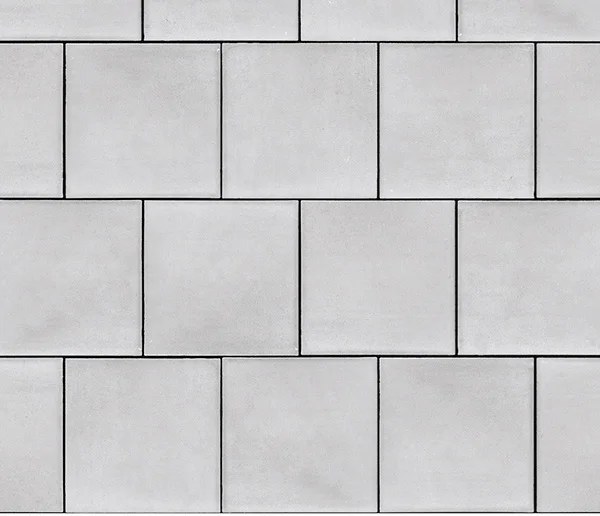
Thin pavers — typically ranging from three-quarters of an inch to about one and a quarter inches thick — are roughly half the material of a standard 2-3/8″ concrete paver. So it seems logical that they’d cost half as much. They don’t.
In practice, thin pavers cost about the same per square foot as their full-thickness counterparts. The reason comes down to supply and demand. Standard-thickness pavers are the dominant product in the market — manufacturers produce them at scale, which keeps costs down. Thin pavers serve a narrower use case, so despite using less raw material, they don’t carry a proportional discount.
This surprises a lot of our Nassau County customers, and it’s worth sitting with for a moment. If you’re searching for thin patio pavers because you assumed they’d be cheaper, the math may not work out the way you hoped. That doesn’t mean thin pavers are the wrong choice — it just means the decision shouldn’t be driven by a price assumption that isn’t accurate.
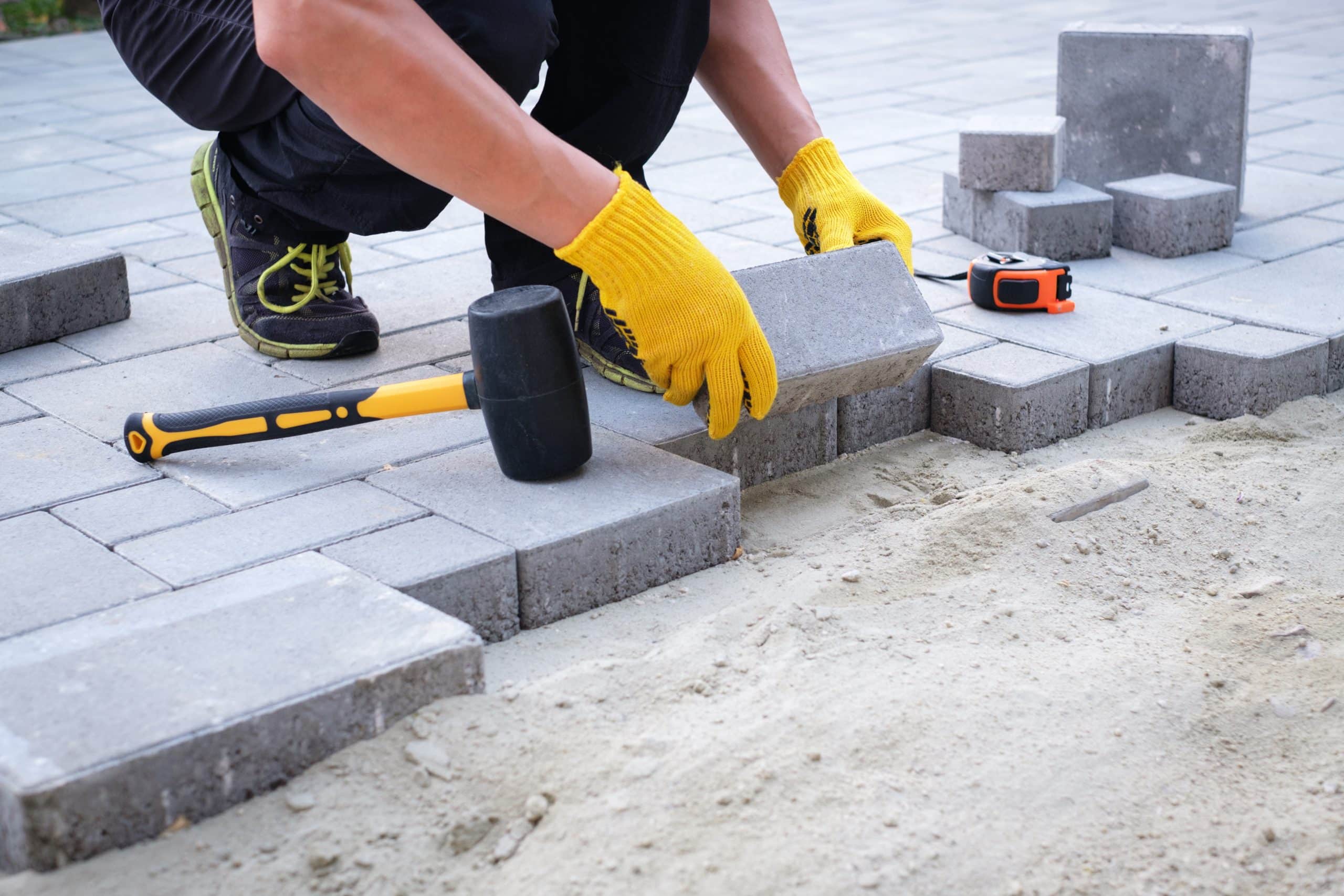
Where thin pavers genuinely shine is in overlay applications. If you have an existing concrete slab that’s structurally sound but looks terrible — which describes a lot of Nassau County patios built in the 1950s, 60s, and 70s — a 2cm porcelain paver installed directly over that slab can completely transform the space without the cost and disruption of full demolition.
The 2cm porcelain format is the thinnest paver available and works well for pedestrian surfaces like patios, walkways, and pool decks — as long as the base beneath it is stable. That last part matters enormously in Nassau County, where freeze-thaw cycles can shift and heave an unstable base through a winter season and leave you with cracked pavers by spring.
The most important factor in choosing paver thickness isn’t budget — it’s what the surface will be asked to do.
Thin pavers are pedestrian-only products. That means patios, walkways, garden paths, and pool surrounds where foot traffic is the primary load. Installing thin pavers in a driveway or any area that sees vehicle weight is a mistake that will eventually — and sometimes quickly — result in cracking.
A paver that’s undersized for its application doesn’t fail dramatically on day one. It holds up for a while, then gives out under cumulative load. By the time you notice the problem, you’re looking at a repair or replacement project.
Standard concrete pavers at 2-3/8″ (60mm) are the appropriate minimum for pedestrian patios and walkways. Driveways require at least 3-1/8″ (80mm). These aren’t arbitrary specs — they’re the result of decades of load-testing and real-world performance data from organizations like the Interlocking Concrete Pavement Institute (ICPI), which sets the installation standards that qualified Long Island contractors follow.
For Nassau County homeowners specifically, there’s another layer to this. The county averages 20 to 30 freeze-thaw cycles per year. That thermal movement — concrete and soil expanding and contracting as temperatures swing above and below freezing — is hard on any paver system. It’s especially hard on thin pavers installed over an inadequate base.
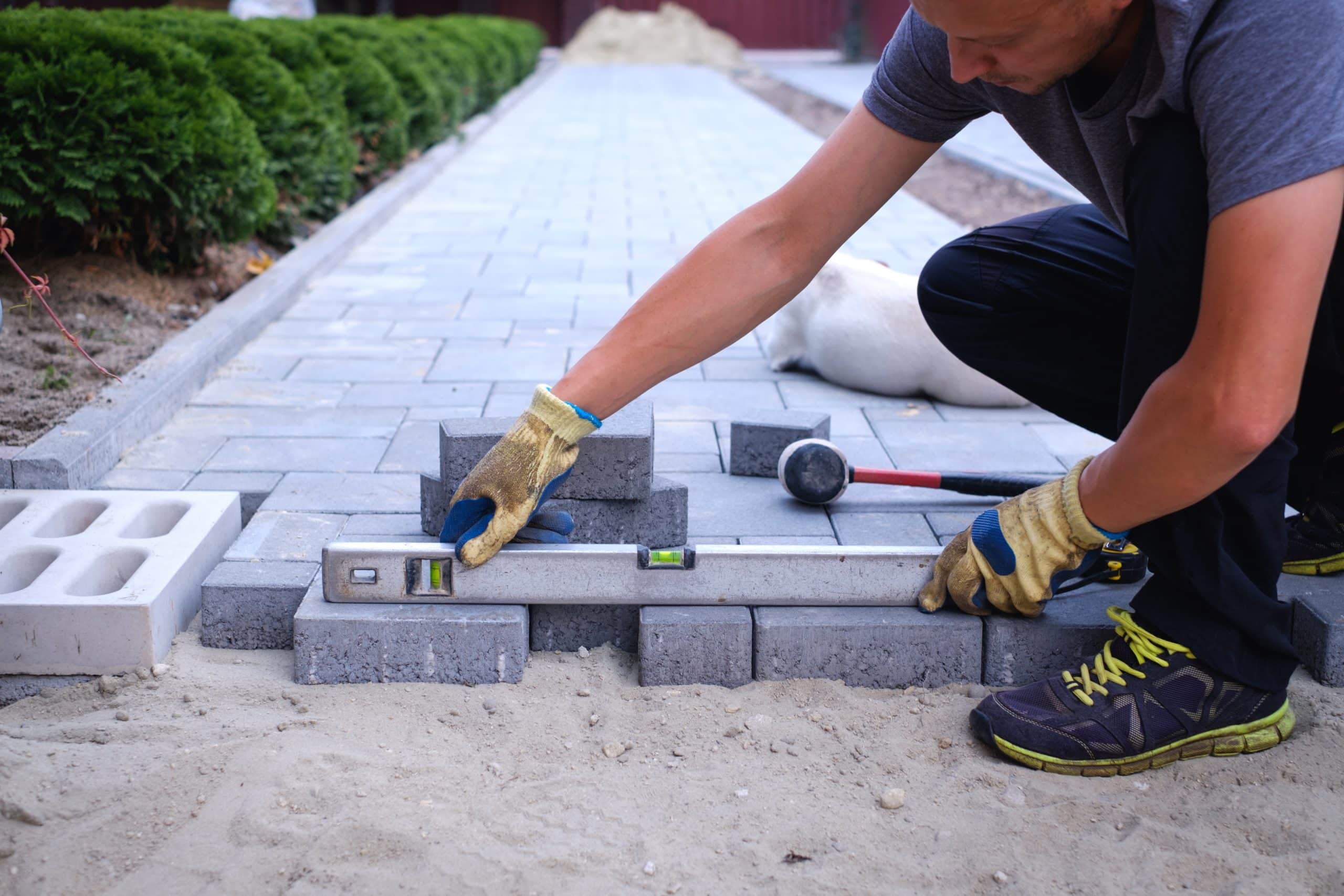
The base preparation under your pavers matters as much as the pavers themselves, which is part of why installed costs on Long Island run higher than national averages. A contractor cutting corners on base depth to lower the quote is not doing you a favor. We’ve seen the results of that approach, and they’re never good.
Premium stone and full-thickness porcelain (3cm and above) hold up better under these conditions because they have more structural mass to distribute load and resist movement. They also tend to carry stronger warranties and, in the case of brands like Nicolock and Cambridge Pavers, proprietary surface treatments that improve durability and color retention over time. These are not products you’ll find at a big-box retailer — they’re available through dedicated masonry supply yards, which is a distinction worth understanding before you shop.
Want live answers?
Connect with a Powerhouse Mason Supply expert for fast, friendly support.
When homeowners start comparing materials, brick and cobblestone often come up as aspirational options — classic looks with serious curb appeal. It’s worth knowing where those materials actually land on the cost spectrum before you use them as a benchmark.
Brick pavers fall in a middle range, typically $8 to $20 per square foot for materials. Authentic granite cobblestone is one of the most premium driveway options available, with material costs alone running $20 to $50 per square foot — and installed costs that can reach well beyond that. Both materials have real longevity, but they also come with real price tags and, in the case of cobblestone especially, specific installation expertise requirements.
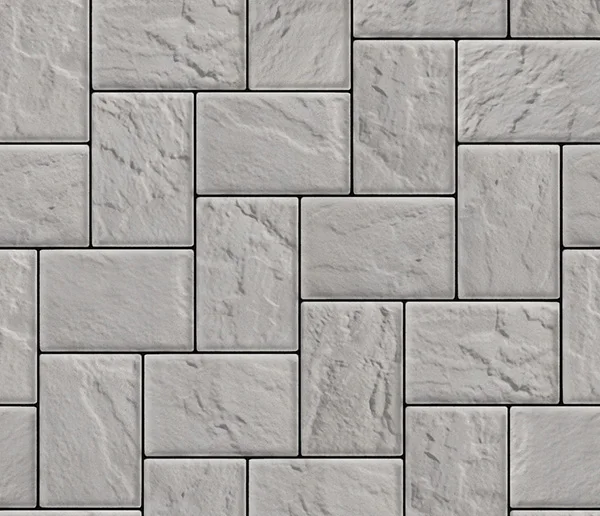
The cobblestone aesthetic is genuinely beautiful, and it holds up exceptionally well over decades of use. But for most Nassau County homeowners, the installed cost of authentic granite cobblestone puts it out of reach for a full driveway application.
What’s worth knowing is that engineered concrete pavers from brands like Cambridge and Nicolock can replicate the cobblestone look at a fraction of the cost — and in some performance categories, they actually outperform natural stone. Cambridge’s Armortec surface treatment and Nicolock’s Paver-Shield technology both add a layer of durability and color protection that raw granite doesn’t have. These are manufactured products designed specifically to handle Northeast winters, salt air, and the kind of freeze-thaw stress that Long Island delivers every year.
The cobblestone-look concrete paver option is a good example of where the supply yard conversation matters. A big-box store carries commodity concrete pavers. A masonry supply yard carries the engineered premium lines — the ones with transferable lifetime warranties, proprietary surface technologies, and the kind of performance data that lets you make a confident long-term decision.
If you’re comparing cobblestone driveway cost against premium concrete alternatives, you need access to both sides of that comparison to make it fairly. At our Roslyn Heights showroom — which is right here in Nassau County — you can see these materials side by side. Texture, color variation, scale — these things look different in person, and they should inform your decision.
Permeable pavers — also called PICP, or permeable interlocking concrete pavement — are a category that comes up more often in Nassau County conversations than in most other markets, and for good reason.
Permeable paver systems allow water to pass through the joints and into a specialized aggregate base below, rather than running off the surface into storm drains. In a county with dense residential development, aging stormwater infrastructure, and municipalities that are increasingly attentive to runoff management, that functional benefit has real value.
Some Nassau County communities have specific requirements around impervious surface coverage, and a permeable paver system can help homeowners meet those requirements without sacrificing the look of a premium hardscape installation. The cost premium for permeable systems is real — typically 10 to 15 percent above standard pavers — reflecting the more complex base system, the open-jointed installation, and the specialized aggregate required to make the drainage function properly.
Both Cambridge and Nicolock offer permeable paver lines, and both are available through us. What makes permeable pavers worth considering isn’t just the environmental angle. A properly installed permeable system also reduces puddling, eliminates the icy patches that form when standing water freezes on a standard driveway, and tends to stay cleaner over time because debris washes through rather than accumulating on the surface.
For Nassau County homeowners dealing with low spots, drainage issues, or the general headache of a driveway that pools water every time it rains, permeable pavers solve a functional problem that no amount of sealing or patching on a standard surface will fix permanently. The installation requirements for permeable systems are more demanding than standard pavers, which is another reason working with a contractor who knows the product matters. Our contractor referral network includes experienced Long Island installers who have worked with permeable systems — people who understand the base depth requirements, the aggregate specifications, and the maintenance practices that keep a permeable system performing the way it should.
The short version: thin pavers aren’t the budget shortcut most people assume, premium stone isn’t always out of reach, and the right choice depends almost entirely on what your surface needs to do and what’s already underneath it.
Nassau County’s climate, its aging housing stock, and its higher installed labor costs all change the calculus in ways that national cost guides don’t account for. Getting the decision right means understanding those local factors — not just the sticker price on a paver.
If you’re working through this decision and want to see the materials in person, we’re at Roslyn Heights in Nassau County and open Saturdays from 7 AM to 1 PM. Powerhouse Mason Supply has been helping Long Island homeowners and contractors navigate exactly these questions for over 25 years — and we’re happy to walk you through the options without the sales pressure.
Article details:
Share:
Continue learning: