Not sure what a masonry yard actually stocks for outdoor projects? Here's a plain-language breakdown of what you'll find — and why it matters for your specific project on Long Island.
Share:

Summary:
If you’ve started pricing out a patio, walkway, or pool surround and found yourself staring at a wall of product names you’ve never heard of, you’re not behind — you’re just at the beginning of a process most people don’t know exists. A masonry yard is not a big-box store. The selection is deeper, the materials are different, and the staff are there to actually help you make sense of it. This guide walks you through what a full-service masonry supply yard stocks for outdoor living projects, why the categories matter, and what Nassau County homeowners in particular should keep in mind when choosing materials.
The short answer: more than most people expect. A well-stocked masonry yard carries everything from the surface materials you walk on to the wall systems behind your garden beds, the coping around your pool, and the base materials that go underneath it all. Most homeowners come in thinking about pavers — and pavers are a big part of it — but the full picture is much broader.
At our Roslyn Heights location, the inventory spans concrete pavers, natural stone pavers, porcelain pavers, manufactured stone veneers, wall block systems, coping and treads, artificial grass, and the construction materials — sand, aggregate, concrete block — that support every finished surface. It’s a one-stop resource, not a catalog you order from and wait on.
This is the question that trips up most first-time buyers, and it’s worth slowing down on because the answer affects both your budget and how your finished project holds up over time.
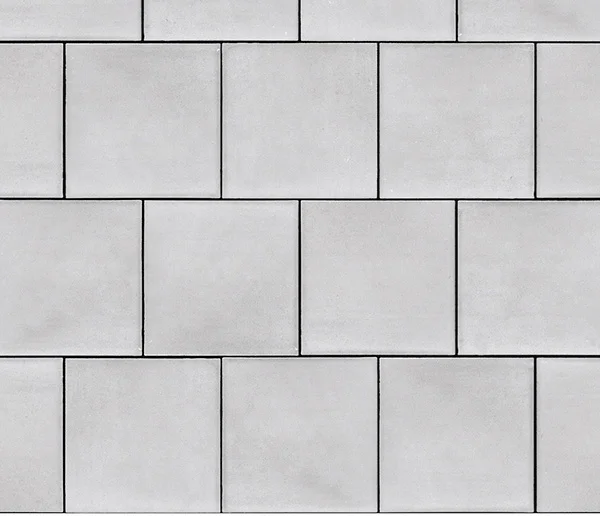
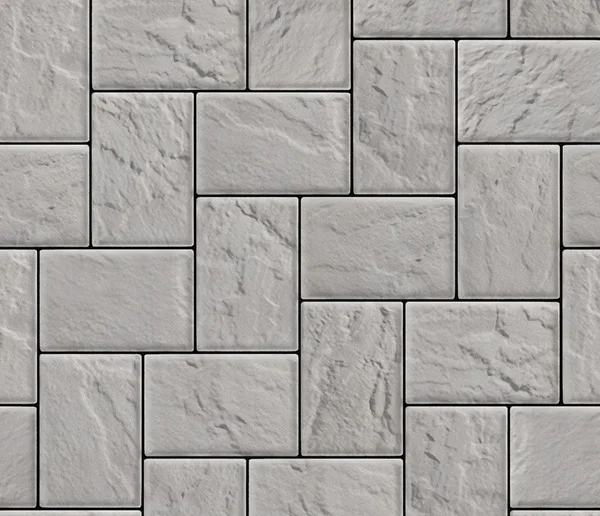
Concrete pavers — brands like Cambridge and Nicolock, both of which we stock — are manufactured to precise density and strength standards. Nicolock’s Paver-Shield technology delivers color saturation through the entire paver body, not just the surface, which means the color holds up as the paver ages and weathers. Cambridge pavers are engineered with AmorTec technology and are considered 100% natural and sustainable by the manufacturer. These aren’t the same product you’d pick up at a home improvement store. The density is higher, the freeze-thaw ratings are better, and the consistency across a full pallet is tighter — which matters when you’re covering a few hundred square feet and need everything to match.
Natural stone — marble, travertine, bluestone — brings a different look entirely. These materials are quarried rather than manufactured, which means every piece has natural variation in color and texture. That’s part of the appeal for many homeowners, especially in the North Shore communities where a more formal, estate-style aesthetic is common. The tradeoff is that natural stone requires more care in selection and installation, and not every type performs equally well in Nassau County’s winters.
Porcelain pavers have grown significantly in popularity over the last several years, and for good reason. They’re dense, non-porous, highly resistant to staining, and hold up well in coastal environments where salt air is a factor — which is a real consideration for homeowners in communities like Long Beach, Atlantic Beach, and Lido Beach. Porcelain also handles freeze-thaw cycling well, making it a strong performer for Long Island’s climate. The surface can be specified with slip-resistant finishes, which makes it a practical choice around pools and wet areas.
The honest answer is that no single material is best for every project. What matters is matching the material to your specific conditions, your aesthetic goals, and how you plan to use the space. That’s a conversation worth having with someone who knows the products — not a decision to make based on a photo online.
Not every outdoor living project is about the ground underfoot. Retaining walls, garden walls, outdoor kitchen surrounds, and decorative facades all require materials that most homeowners don’t think about until they’re deep into a project — and then suddenly need quickly.
Stone veneers are thin-profile stone products applied to vertical surfaces. They’re used on the faces of retaining walls, outdoor fireplaces, kitchen islands, columns, and exterior home facades to create the look of natural stone without the structural weight or cost of full-thickness stone. We carry several of the major manufactured stone veneer brands — Eldorado Stone, Cultured Stone, Dutch Quality Stone, Casa di Sassi, MSI, R Stone, and USI — which means you can compare styles and price points in one visit rather than calling around to different suppliers.
Wall systems are a separate category. These are engineered block systems — retaining wall blocks, decorative wall caps, and modular wall units — designed to be stacked and interlocked to create freestanding or structural walls. They’re used for everything from terracing a sloped backyard to framing a raised patio or garden bed. The engineering behind them matters: a wall system that’s properly rated and correctly installed handles the lateral pressure of soil and water behind it without shifting or failing. Our staff can walk you through the options and help you understand what’s appropriate for your specific application.
Together, veneers and wall systems round out the full outdoor living picture. A patio is a surface. An outdoor living space — the kind that actually gets used, that adds value to your home, and that holds up through Nassau County winters — usually involves walls, transitions, and vertical elements that tie everything together visually and structurally.
Want live answers?
Connect with a Powerhouse Mason Supply expert for fast, friendly support.
A lot of homeowners start at a big-box store because it’s familiar. You can see a few samples, pick up a pallet, and be on your way. That works fine for small repairs or projects where precision doesn’t matter much. For a full patio, driveway, or pool surround, the limitations show up quickly.
Masonry supply yards operate differently. The product selection is deeper, the inventory is managed for lot consistency — which matters for color matching across a large project — and the staff are there specifically to help you navigate material selection, quantity estimation, and project logistics. You’re not browsing an aisle. You’re having a conversation with someone who understands Long Island’s climate and what materials actually perform here.

This is one of the most common concerns we hear from homeowners who haven’t bought from a masonry yard before, and it’s worth addressing directly: no, you don’t always have to buy a full pallet.
We can break pallets for residential buyers who don’t need a full quantity. A customer who needs materials for a modest side-yard walkway shouldn’t have to buy twice what their project requires. That flexibility is something big-box stores don’t always offer, and it’s something several of our Nassau County customers have specifically called out as a reason they came back.
What’s equally important is getting the quantity right in the first place. Our staff will help you calculate how much material your project actually requires — factoring in the dimensions of the space, the size of the paver or stone unit, and a reasonable allowance for cuts and waste. Getting this right on the front end matters because ordering a second batch later introduces the risk of a color-lot mismatch. Pavers from different production runs can vary slightly in shade, and on a large patio that variation becomes visible. One trip, one lot, one conversation with someone who knows how to run the numbers — that’s the cleaner path.
For Nassau County homeowners working with a contractor, we’d also recommend looping your installer into the material selection conversation early. Many of the contractors we work with have strong preferences around certain products based on installation performance, and aligning on materials before the project starts prevents delays down the line. If you need a referral to a vetted local installer, that’s something we can help with too.
This is the question that doesn’t get asked often enough, and in Nassau County it genuinely matters. Long Island’s climate puts outdoor surfaces through real stress — cold winters with ground freeze, spring thaw, summer heat, and for South Shore communities, ongoing salt air exposure. The material you choose needs to handle all of it.
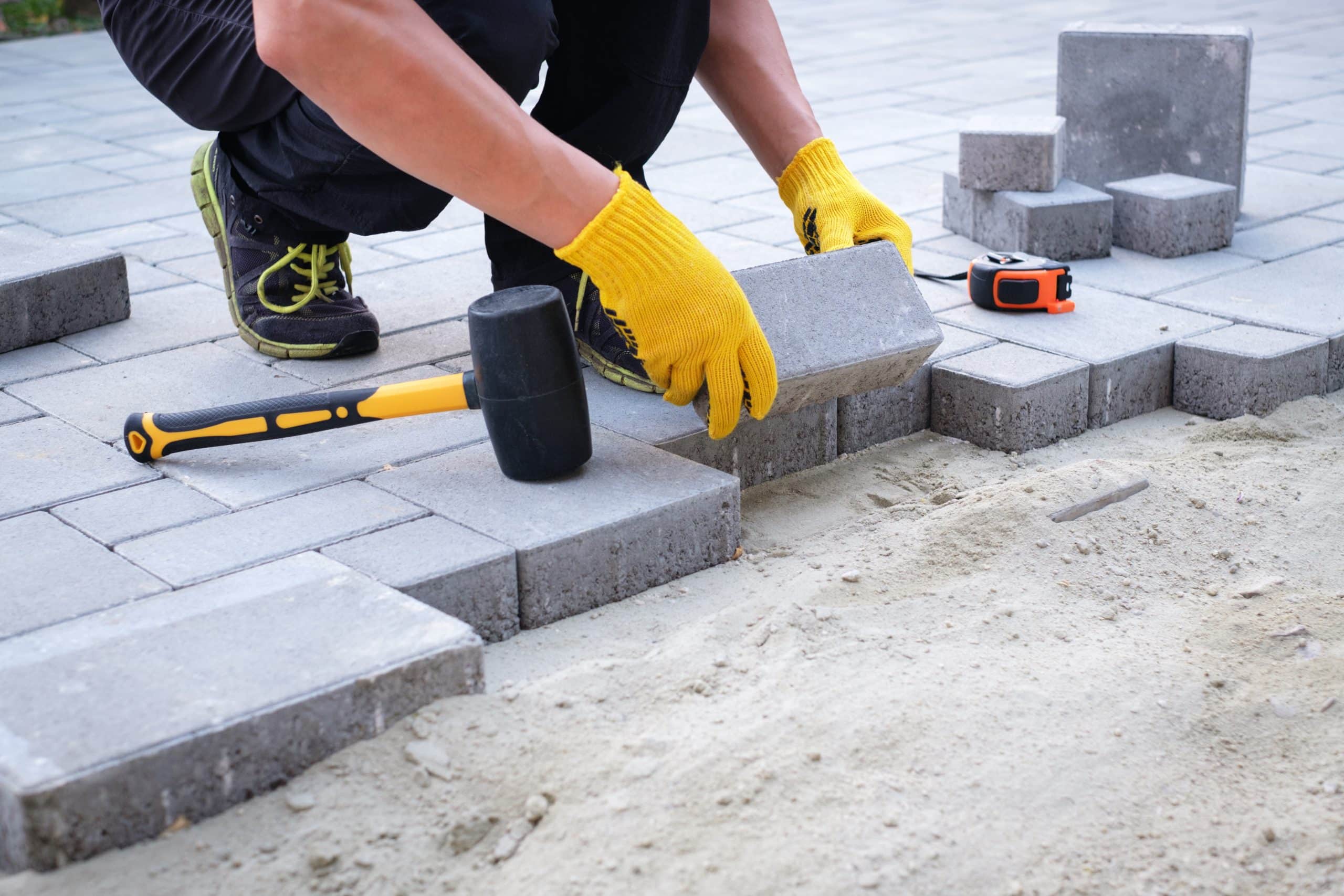
Poured concrete is the most common comparison point, and it’s worth being honest about its limitations in this climate. Concrete slabs are prone to cracking and heaving under repeated freeze-thaw cycling. Once a slab cracks, you’re typically looking at resurfacing or full replacement — there’s no easy fix. A quality paver system, by contrast, can be repaired at the individual unit level. If a paver shifts or cracks, you replace that paver. The surrounding installation stays intact.
Concrete pavers from manufacturers like Cambridge and Nicolock are specifically engineered for Northeast climates. The density of the paver body limits water absorption, which is what causes freeze-thaw damage — water gets into a porous material, freezes, expands, and breaks the surface from within. A denser paver absorbs less water and holds up significantly better through Long Island winters.
Porcelain pavers take this a step further. As a non-porous material, porcelain absorbs virtually no water, making it one of the most freeze-thaw-resistant options available. It also resists salt air degradation, which is why it’s become a go-to choice for homeowners in communities like Long Beach, Atlantic Beach, and Lido Beach where coastal exposure is constant.
Natural stone varies. Travertine and marble are beautiful, but they require sealing and more maintenance than manufactured options in a Northeast climate. Bluestone, a regional favorite, performs well when properly installed but needs to be sourced in a thickness appropriate for the application. These are the kinds of nuances that matter when you’re making a decision that’s meant to last 20 or 30 years — and they’re worth talking through with someone who’s been supplying Long Island projects for over two decades.
The best starting point is simpler than most people think: come in, see the materials in person, and talk to someone who can help you narrow it down. Photos online don’t capture scale, texture, or how a material actually looks in natural light. The showroom does.
At our Roslyn Heights location — the Nassau County yard — you can compare Cambridge and Nicolock concrete pavers, porcelain options, natural stone, and multiple stone veneer lines in one visit. Bring the dimensions of your project if you have them, or even just a rough sketch. We’ll help you figure out quantities, talk through what holds up best for your specific conditions, and connect you with a local contractor if you need one.
Twenty-five years of supplying Long Island homeowners and contractors means we’ve seen what works — and what doesn’t — in this climate and this market. That experience is available to you every time you walk through the door.
Article details:
Share:
Continue learning: